The Nagycenki Széchenyi Múzeumvasút, situated approximately six miles south-east of Sopron near the Hungarian border with Austria, was the first working museum railway in Hungary.
Opened on 6th November 1970, this little 760mm (2ft 5½in) gauge railway runs through the former private estate of Count Széchenyi István, a 19th century Minister of Public Works and Transport, whose name is commemorated in its title.
It is operated by the private Győr-Sopron-Ebenfurth railway (GySEV), and runs from Fertőboz station on the GySEV standard gauge network (on the Győr-Sopron main line) in something of an “h” shape, to a terminus at Nagycenk Castle (“Széchenyi-kastély” in Hungarian, as it was Széchenyi’s mansion). (Incidentally, the main line through Fertőboz station is notable as the location of a serious accident on 15th November 1973, which wrote off GySEV’s M62 906 just 17 months into its career – but more about that another time!)
The railway is open to the public from Tuesdays to Sundays – although the railway does not run as often as that – and houses the Széchenyi István Memorial Museum (entry 1400 HUF – £4.00 at current prices). There is also a small open-air museum of narrow-gauge steam locos and rolling stock here.
A link to a YouTube video (narrated in German) uploaded by kaktus1948 giving a great overview of the railway, with the C50 diesel “Kiscenk” in use.
The 1½ miles from Fertőboz to Barátság (“Friendship”) station were built in just three months largely by volunteer labour – local Communist youth groups and schoolchildren – with heavy-duty tasks carried out by Russian soldiers garrisoned locally. Track and signalling equipment was salvaged from closed narrow-gauge routes elsewhere in Hungary.
Barátság is a relatively isolated junction terminus (with a layout much like Battersby’s, to give a UK example), and there the loco runs round before taking the circuitous ¾-mile ‘extension’ to Kastély – the station for the castle – which was opened in July 1972.
There were plans in the 1970s to extend the railway through to the Széchenyi Mausoleum, near to Nagycenk station on the Sopron-Szombathely main line – but these never came to fruition.
Motive Power
At its opening, the railway used two 0-6-0 class 394 steam locos – 394.023 and 394.057 – both of which have now departed to pastures new (the former to the Zsuszi system at Debrecen and the latter to the Szilvásvárad system).
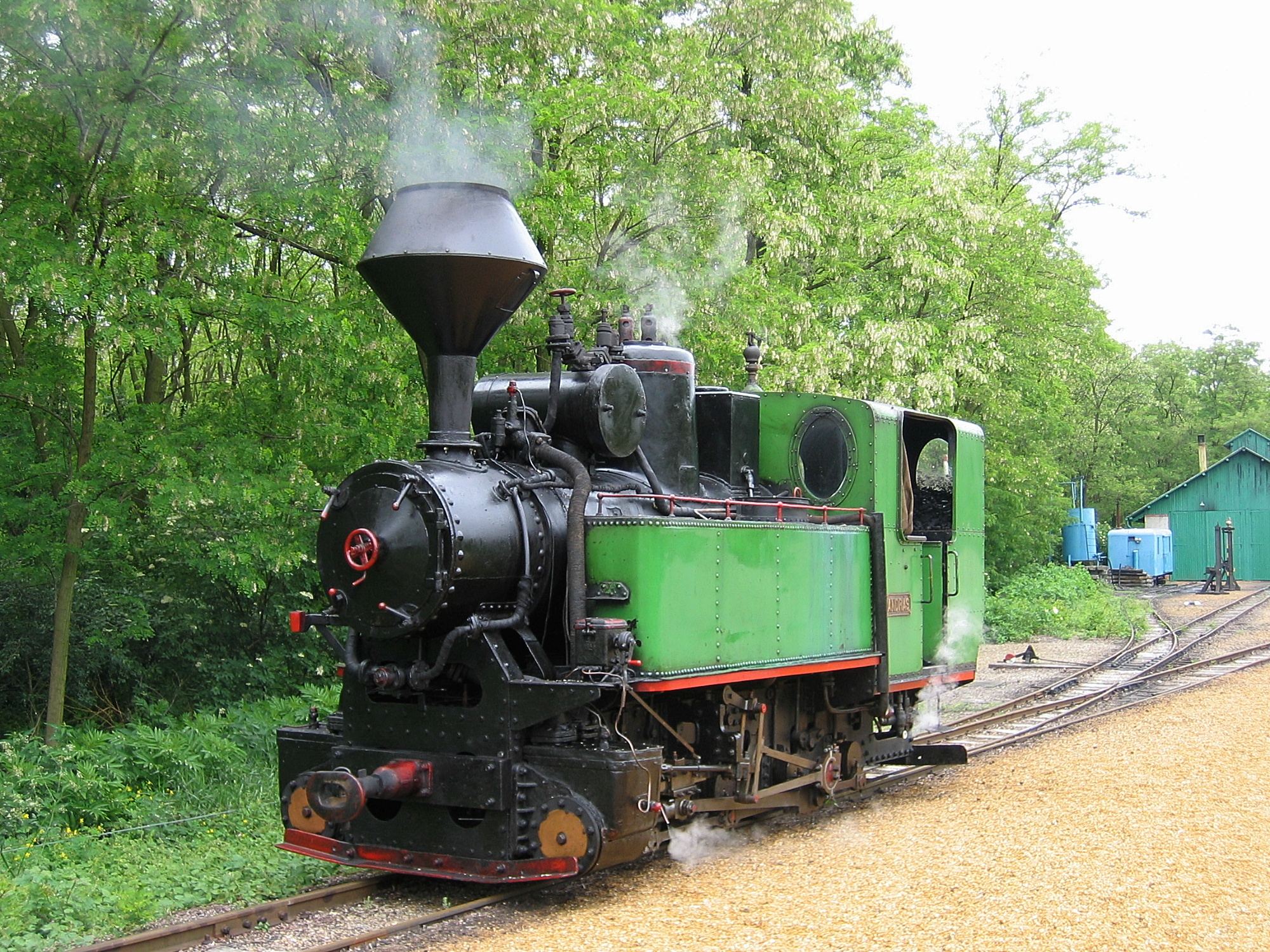
Nowadays, the railway is predominantly run by two locomotives – one steam and one diesel. The steam loco is an ex-industrial class 492 0-8-0T built by MÁVAG in 1923, named “András“, built for use for a coal mine at Balinka. The diesel is a C50-type diesel-mechanical loco dating from 1956, numbered GySEV 2921 001 and named “Kiscenk” (GV 3778), which was obtained from the Balatonfenyves system.
2017 Operation
The railway operates on Saturdays, Sundays and public holidays from April to October. The C50 will be used as a rule; the exceptions being when steam is advertised : 17th June, 24th June, 9th July, 23rd July, 6th August, 20th August, 16th September, 17th September, 21st September.
The timetable can be found in PDF form here. An adult return ticket is 890 HUF (£2.54 at current prices).
Five Thursday evenings in the second half of 2017 will see the opportunity to travel behind a 1954-built class El11 electric locomotive no.El11 2098 in Norway.
The “Nordmarka Rundt” tour operated by Historiske Togreiser departs from Oslo sentral at 17:00 and runs via a circular route: up to Roa, then via the non-passenger line to Hønefoss – run round – then back via Hokksund and Drammen. Arrival back in Oslo is 21:00-22:00.
The downside is that this is not come cheap – the train is full dining, and the ticket for the train plus four-course meal comes to 2395 NOK – £217 at current prices.
V200 007 (220 007) at Dagebüll Mole, 05/08/12 (JW)
My recent article regarding the current locations of the remaining ex-Deutsche Bundesbahn V200 class diesel-hydraulics attracted a great deal of interest. This brief blog post will look at where and when you can travel behind them in 2017.
The two locos in operation this year are V200 033 – which is a “classic” V200 in that it retains its Maybach MD650 power units and Voith transmissions – and also V200 007 which is now Mercedes engined.
These are the tours in the haulage calendarcurrently advertised for their use during the rest of 2017, along with links to more information about each:-
Saturday 24/06/17
V200 033 (ex DB 220033), 06:30 Unna via Hagen, Bochum, Recklinghausen to Munster Hbf, for 78.468 (steam) forward to Emden and back, then V200 033 back to the pick-up points but in the same order as the morning, terminating at Munster, €84. Operated by Eisenbahnfreunde Witten. Link.
Saturday 19/08/17
V200 033 (ex-DB 220033), Nürnberg area to Chemnitz, details TBC. Operated by Fränkische Museums-Eisenbahn. Link.Update 21/07/17: booking form has come out stating 216 224 to Plauen for 50 3648 forward, no mention of V200 any more. No traincrew available for the V200.
Saturday 02/09/17
V200 007 (ex DB 220007), Lübeck to Westerland and return. Operated by Historische Eisenbahnfahrzeuge Lübeck. Link.
V200 033 (ex DB 220033), Recklinghausen Hbf to Cuxhaven and return, €79. Operated by Eisenbahnfreunde Witten. Link.
Saturday 09/09/17
V200 033 (ex DB 220033), Nürnberg via Bamberg, Gemünden, Aschaffenberg, Frankfurt Ost to Oberwesel and return. In connection with the “Rhein in Flames” event. Operated by Eisenbahn Nostalgiefahrten Bebra. More details awaited. Some here: Link.Advised very reliably on 04/09/17 that this is cancelled, but the promoter’s page still carries booking information for it!
Saturday 23/09/17
V200 033 (ex DB 220033) and 01.202 (steam), Rosenheim via München and Garmisch-Partenkirchen to Innsbruck, then return via Rosenheim to München. Operated by Eisenbahn Nostalgiefahrten Bebra. More details awaited. Some here: Link.
Saturday 30/09/17
V200 033 (ex-DB 220033), 07:45 Stuttgart Hbf to Titisee and return, €85. Operated by UEF. Link.
Saturday 09/12/17
V200 033 (ex DB 220033), Hamm to Bremen and return, €55. Operated by Museumseisenbahn Hamm. Link.
There is also to be a Christmas special with V200 007, although details of date or destination have not yet been made public.
189 935 pauses at München Ost on the evening turn, 05/09/17 (Jordan Allen)
May 2016 to December 2017 saw an unusual loco-hauled passenger diagram in south-east Germany, born in tragic circumstances but which gave haulage enthusiasts something to plan their day around when visiting the area.
Firstly, a bit of background. In December 2013, the private operator Meridian took over a number of routes in the Bayern region from the incumbent DB Regio, with a fleet of brand new Stadler FLIRT (“Flinker Leichter Innovativer Regional Triebzug”) EMUs. Tragically, on Tuesday 9th February 2016, a mistake by a signaller led to a head-on collision between two such units on the single-line section at Bad Aibling – resulting in 12 deaths and 85 injuries, but also (trivially by comparison) the destruction of both units.
In order to plug this unforeseen rolling stock shortage, from May 2016, Meridian hired in electric locomotives and stock to work a train from Kufstein, just over the Austrian border, to München each weekday morning, returning in the evening. This settled on the following diagram:
M79060 06:29 (SX) Kufstein – München Hbf
M79081 17:11 (FX) / M79077 16:09 (FO) München Hbf – Kufstein
It ran until 29th December 2017, by which point replacement EMUs for the pair written off in 2013 had been built, commissioned and were ready for service.
The particularly intriguing aspect of this operation was that it represented the only true “freight loco kick-out” left in western Europe. Motive power was in the form of electric locomotives, primarily from the freight operator Lokomotion. Locos often swapped at both the Kufstein and München end, and conceivably an appearance by a particular machine might even have reflected the only passenger train it ever hauls in its entire career.
Reports on this train have been inconsistent, however I am aware of 83 different machines working on the “Meridian vice turn” – 65 of which were known to be on hire to, or owned by Lokomotion at the time (exceptions are marked with an asterisk below). The majority of them are brand-new machines – some of which literally only days old at the time of working – but the oldest, 139 177, dates from 1958. 12 of the locos recorded on the trains so far are ex-DB (the class 110, 139s, 151s, and 189 903-905); the rest have always been privately-owned freight machines.
The loco to have been reported most often is 185 662 (17 trains), followed by 186 286 and 193 772 (16 trains each). However, as there are so many gaps in my workings record (below), the picture of what has actually worked may be different. If you can fill in any gaps in the table below, please contact me, your help will be much appreciated!
Date
AM
PM
Tue 10/05/16
185 686
185 661
Wed 11/05/16
193 208
193 208
Thu 12/05/16
186 287
189 917
Fri 13/05/16
186 287
185 665
Mon 16/05/16
Holiday
Holiday
Tue 17/05/16
186 141
Wed 18/05/16
Thu 19/05/16
Fri 20/05/16
Mon 23/05/16
Tue 24/05/16
Wed 25/05/16
Thu 26/05/16
Holiday
Holiday
Fri 27/05/16
Mon 30/05/16
Tue 31/05/16
193 208
Wed 01/06/16
Thu 02/06/16
186 444
Fri 03/06/16
185 665
Mon 06/06/16
186 286
186 286
Tue 07/06/16
186 282
Wed 08/06/16
185 664
Thu 09/06/16
186 102
Fri 10/06/16
Mon 13/06/16
Tue 14/06/16
186 141
Wed 15/06/16
185 664
Thu 16/06/16
186 251
186 281
Fri 17/06/16
185 666
Mon 20/06/16
Tue 21/06/16
139 177
151 060
Wed 22/06/16
189 903
151 074
Thu 23/06/16
139 133
193 873
Fri 24/06/16
189 926
151 060
Mon 27/06/16
Tue 28/06/16
151 060
Wed 29/06/16
139 177
Thu 30/06/16
193 264
185 666
Fri 01/07/16
189 927
193 244 + 193 873
Mon 04/07/16
Tue 05/07/16
186 441
Wed 06/07/16
151 074
Thu 07/07/16
186 286
189 841
Fri 08/07/16
Mon 11/07/16
139 555
186 286
Tue 12/07/16
186 287
Wed 13/07/16
189 841
193 208
Thu 14/07/16
186 287
Fri 15/07/16
189 914
193 824
Mon 18/07/16
Tue 19/07/16
189 902
Wed 20/07/16
193 824
Thu 21/07/16
193 824
Fri 22/07/16
193 824
Mon 25/07/16
Tue 26/07/16
Wed 27/07/16
186 440
Thu 28/07/16
189 914
185 663
Fri 29/07/16
193 873
186 286
Mon 01/08/16
Tue 02/08/16
186 286
Wed 03/08/16
186 286
186 286
Thu 04/08/16
185 679
186 286
Fri 05/08/16
151 056
193 208
Mon 08/08/16
189 902
186 286
Tue 09/08/16
Wed 10/08/16
Thu 11/08/16
Fri 12/08/16
Mon 15/08/16
Holiday
Holiday
Tue 16/08/16
Wed 17/08/16
186 286
Thu 18/08/16
186 286
Fri 19/08/16
Mon 22/08/16
186 287
189 927
Tue 23/08/16
193 208
186 440
Wed 24/08/16
185 662
Thu 25/08/16
Fri 26/08/16
Mon 29/08/16
193 873
193 873
Tue 30/08/16
189 907
Wed 31/08/16
186 284
189 914
Thu 01/09/16
185 663
189 918
Fri 02/09/16
186 251
Mon 05/09/16
186 251
193 876
Tue 06/09/16
186 251
Wed 07/09/16
186 286
Thu 08/09/16
186 281
Fri 09/09/16
193 876
Mon 12/09/16
Tue 13/09/16
189 914
Wed 14/09/16
186 251
Thu 15/09/16
Fri 16/09/16
Mon 19/09/16
Tue 20/09/16
193 874
Wed 21/09/16
151 074
Thu 22/09/16
Fri 23/09/16
189 902
Mon 26/09/16
186 285
185 661
Tue 27/09/16
189 902
Wed 28/09/16
Thu 29/09/16
Fri 30/09/16
193 238
186 442
Mon 03/10/16
Holiday
Holiday
Tue 04/10/16
Wed 05/10/16
Thu 06/10/16
Fri 07/10/16
Mon 10/10/16
Tue 11/10/16
189 904
Wed 12/10/16
189 917
Thu 13/10/16
193 873
Fri 14/10/16
Mon 17/10/16
193 801
Tue 18/10/16
193 801
Wed 19/10/16
185 661
Thu 20/10/16
186 110
Fri 21/10/16
185 662
189 907
Mon 24/10/16
185 663
Tue 25/10/16
186 444
Wed 26/10/16
189 151
189 926
Thu 27/10/16
Fri 28/10/16
193 208
Mon 31/10/16
Tue 01/11/16
Holiday
Holiday
Wed 02/11/16
193 801
193 208
Thu 03/11/16
Fri 04/11/16
Mon 07/11/16
Tue 08/11/16
Wed 09/11/16
186 285
Thu 10/11/16
189 918
Fri 11/11/16
185 661
Mon 14/11/16
Tue 15/11/16
193 801
193 801
Wed 16/11/16
CAPED
186 290
Thu 17/11/16
Fri 18/11/16
Mon 21/11/16
186 440
Tue 22/11/16
151 060
Wed 23/11/16
Thu 24/11/16
Fri 25/11/16
189 151
Mon 28/11/16
186 441
189 907
Tue 29/11/16
151 060
Wed 30/11/16
189 907
189 907
Thu 01/12/16
189 907
189 907
Fri 02/12/16
186 110
Mon 05/12/16
Tue 06/12/16
186 443
Wed 07/12/16
189 907
189 907
Thu 08/12/16
189 907
186 110
Fri 09/12/16
189 905
189 901
Mon 12/12/16
189 907
Tue 13/12/16
Wed 14/12/16
182 511
Thu 15/12/16
186 102
189 151
Fri 16/12/16
139 311
139 213
Mon 19/12/16
110 469
Tue 20/12/16
110 469
110 469
Wed 21/12/16
187 312
Thu 22/12/16
189 912
Fri 23/12/16
Mon 26/12/16
Holiday
Holiday
Tue 27/12/16
185 666
185 661 + 185 662
Wed 28/12/16
185 661 + 185 662
185 661 + 185 662
Thu 29/12/16
185 661 + 185 662
185 661 + 185 662
Fri 30/12/16
Mon 02/01/17
Tue 03/01/17
Wed 04/01/17
185 661 + 193 772
Thu 05/01/17
Fri 06/01/17
Holiday
Holiday
Mon 09/01/17
193 772
Tue 10/01/17
187 308
Wed 11/01/17
Thu 12/01/17
193 772
Fri 13/01/17
193 772
Mon 16/01/17
Tue 17/01/17
189 917
Wed 18/01/17
186 283
Thu 19/01/17
Fri 20/01/17
Mon 23/01/17
189 912
189 912
Tue 24/01/17
185 663
Wed 25/01/17
Thu 26/01/17
Fri 27/01/17
Mon 30/01/17
185 663
185 663
Tue 31/01/17
193 772
193 772
Wed 01/02/17
193 772
193 772
Thu 02/02/17
187 312
Fri 03/02/17
187 312
Mon 06/02/17
189 907
189 907
Tue 07/02/17
187 312
189 901
Wed 08/02/17
185 662
189 914
Thu 09/02/17
185 662
185 662
Fri 10/02/17
151 074
151 074
Mon 13/02/17
Tue 14/02/17
Wed 15/02/17
186 441
185 664
Thu 16/02/17
139 177
Fri 17/02/17
185 662
187 308
Mon 20/02/17
187 308
Tue 21/02/17
Wed 22/02/17
151 074
151 074
Thu 23/02/17
186 286
Fri 24/02/17
Mon 27/02/17
Tue 28/02/17
Wed 01/03/17
Thu 02/03/17
Fri 03/03/17
186 441
Mon 06/03/17
186 441
Tue 07/03/17
186 440
Wed 08/03/17
139 555
Thu 09/03/17
185 664
151 074
Fri 10/03/17
Mon 13/03/17
186 443
Tue 14/03/17
139 133
189 902
Wed 15/03/17
185 662
185 662
Thu 16/03/17
185 662
186 284
Fri 17/03/17
185 662
Mon 20/03/17
189 914
Tue 21/03/17
189 905
Wed 22/03/17
193 771
193 208
Thu 23/03/17
193 208
193 208
Fri 24/03/17
Mon 27/03/17
186 290
187 312
Tue 28/03/17
187 312
187 312
Wed 29/03/17
187 312
185 663
Thu 30/03/17
189 914
Fri 31/03/17
185 661
186 441
Mon 03/04/17
193 772
Tue 04/04/17
185 661
185 661
Wed 05/04/17
Thu 06/04/17
193 772
186 281
Fri 07/04/17
Mon 10/04/17
185 662
Tue 11/04/17
193 813
Wed 12/04/17
Thu 13/04/17
CAPED
185 666
Fri 14/04/17
Holiday
Holiday
Mon 17/04/17
Holiday
Holiday
Tue 18/04/17
193 771
Wed 19/04/17
193 771
193 813
Thu 20/04/17
Fri 21/04/17
193 772
Mon 24/04/17
187 308
Tue 25/04/17
Wed 26/04/17
193 773
Thu 27/04/17
193 773
Fri 28/04/17
Mon 01/05/17
Holiday
Holiday
Tue 02/05/17
185 663
Wed 03/05/17
Thu 04/05/17
185 662
189 902
Fri 05/05/17
Mon 08/05/17
189 918
Tue 09/05/17
186 286
Wed 10/05/17
186 285
Thu 11/05/17
193 804
Fri 12/05/17
Mon 15/05/17
186 441
Tue 16/05/17
193 770
193 770
Wed 17/05/17
151 060
Thu 18/05/17
189 907
Fri 19/05/17
151 060
Mon 22/05/17
186 282
Tue 23/05/17
139 213
Wed 24/05/17
Thu 25/05/17
Holiday
Holiday
Fri 26/05/17
193 771
Mon 29/05/17
Tue 30/05/17
193 774
193 774
Wed 31/05/17
186 443
Thu 01/06/17
151 060
193 772
Fri 02/06/17
185 663
BLS 475 404
Mon 05/06/17
Holiday
Holiday
Tue 06/06/17
189 907
Wed 07/06/17
Thu 08/06/17
189 912
Fri 09/06/17
193 775
Mon 12/06/17
Tue 13/06/17
186 440
Wed 14/06/17
Thu 15/06/17
Holiday
Holiday
Fri 16/06/17
186 441
Mon 19/06/17
193 773
Tue 20/06/17
193 773
193 770
Wed 21/06/17
193 770
193 771
Thu 22/06/17
475 404
475 404
Fri 23/06/17
186 442
Mon 26/06/17
Tue 27/06/17
Wed 28/06/17
Thu 29/06/17
Fri 30/06/17
Mon 03/07/17
Tue 04/07/17
Wed 05/07/17
193 774
Thu 06/07/17
193 775
Fri 07/07/17
193 771
Mon 10/07/17
193 775
Tue 11/07/17
186 284
Wed 12/07/17
Thu 13/07/17
Fri 14/07/17
193 773
189 904
Mon 17/07/17
Tue 18/07/17
Wed 19/07/17
193 615
186 444
Thu 20/07/17
193 776
Fri 21/07/17
193 662
193 777
Mon 24/07/17
Tue 25/07/17
Wed 26/07/17
193 777
186 444
Thu 27/07/17
151 060
Fri 28/07/17
Mon 31/07/17
Tue 01/08/17
189 902
Wed 02/08/17
151 060
Thu 03/08/17
193 777
193 772
Fri 04/08/17
193 615
189 902
Mon 07/08/17
Tue 08/08/17
Wed 09/08/17
186 283
Thu 10/08/17
186 281
Fri 11/08/17
193 771
Mon 14/08/17
186 284
Tue 15/08/17
Wed 16/08/17
186 284
Thu 17/08/17
193 772
Fri 18/08/17
193 772
186 283
Mon 21/08/17
Tue 22/08/17
193 661
Wed 23/08/17
186 444
Thu 24/08/17
189 904
189 905
Fri 25/08/17
186 107
193 662
Mon 28/08/17
186 282
189 924
Tue 29/08/17
189 924
186 284
Wed 30/08/17
475 404
185 666
Thu 31/08/17
193 770
193 772
Fri 01/09/17
186 286
Mon 04/09/17
193 664
185 663
Tue 05/09/17
193 770
189 935
Wed 06/09/17
193 777
189 935
Thu 07/09/17
193 661
Fri 08/09/17
189 912
189 917
Mon 11/09/17
193 663
193 663
Tue 12/09/17
193 773
Wed 13/09/17
186 441
193 663
Thu 14/09/17
193 773
185 661
Fri 15/09/17
186 444
Mon 18/09/17
Tue 19/09/17
Wed 20/09/17
471 502
Thu 21/09/17
189 935
Fri 22/09/17
Mon 25/09/17
Tue 26/09/17
193 286
Wed 27/09/17
Thu 28/09/17
Fri 29/09/17
Mon 02/10/17
Tue 03/10/17
Wed 04/10/17
Thu 05/10/17
Fri 06/10/17
Mon 09/10/17
189 912
Tue 10/10/17
Wed 11/10/17
Thu 12/10/17
Fri 13/10/17
Mon 16/10/17
Tue 17/10/17
Wed 18/10/17
Thu 19/10/17
Fri 20/10/17
Mon 23/10/17
Tue 24/10/17
Wed 25/10/17
Thu 26/10/17
Fri 27/10/17
Mon 30/10/17
Tue 31/10/17
Wed 01/11/17
Thu 02/11/17
Fri 03/11/17
Mon 06/11/17
Tue 07/11/17
Wed 08/11/17
Thu 09/11/17
Fri 10/11/17
Mon 13/11/17
193 775
Tue 14/11/17
193 770
193 770
Wed 15/11/17
193 770
151 060
Thu 16/11/17
Fri 17/11/17
Mon 20/11/17
Tue 21/11/17
193 666
Wed 22/11/17
193 775
186 441
Thu 23/11/17
193 774
185 666
Fri 24/11/17
Mon 27/11/17
Tue 28/11/17
Wed 29/11/17
189 903
Thu 30/11/17
193 773
Fri 01/12/17
Mon 04/12/17
185 661
185 661
Tue 05/12/17
193 664
Wed 06/12/17
Thu 07/12/17
193 664
Fri 08/12/17
Mon 11/12/17
139 311
Tue 12/12/17
Wed 13/12/17
Thu 14/12/17
Fri 15/12/17
193 669
193 669
Mon 18/12/17
Tue 19/12/17
Wed 20/12/17
Thu 21/12/17
Fri 22/12/17
Mon 25/12/17
Tue 26/12/17
Wed 27/12/17
Thu 28/12/17
Fri 29/12/17
185 665
If you’re enjoying the content of this website, please could I invite you to have a look at how you could support it? Thanks!
V200 007 (220 007) at Dagebüll Mole, 05/08/12 (JW)
As the forerunners to our own D800 “Warship” class diesel-hydraulics, the famous Deutsche Bundesbahn V200 class have always commanded a great deal of interest among British enthusiasts. Most are aware of the esteemed V200 033, which frequently hauls railtours in Germany, but this article will be a concise round-up of where all of the V200 survivors are now to be found.
Of the 86 Maybach-engined V200.0s (class 220), 26 are thought to remain in existence – although most of these have since been re-engined. In common with many retired German diesel-hydraulics, 10 of them are now working in Italy – all for the private freight operator Ferrovie Emilia-Romagna.
Here is a link to a list of forthcoming haulage opportunities, which is at present limited to Maybach-engined V200 033 and Mercedes-engined V200 007.
dumped derelict at premises of WLH Reuschling near Hattingen – future uncertain
A similar percentage of the 50 Mercedes-engined V200.1s (class 221) have fared better – with 16 still extant. However, this is largely thanks to a fleet of 20 of them being exported to Greece in 1989/90 to plug a traction shortage with OSE. Their withdrawal by OSE in the late 1990s coincided with interesting developments on the railways back in Germany and, to cut a long story short, the Prignitzer Eisenbahn GmbH ended up purchasing and repatriating the entire fleet, to strip them back to the frames and effectively use them as the basis of brand new machines. Some were scrapped (as recently as 2012) but many continue to work on the main line today – admittedly with little original details inside, but ensuring that the classic shape of a V200 can still be seen on the main line over 60 years on.
Austria has ousted heritage diesel locos from its timetabled passenger services, but happily there are plenty of opportunities to travel behind such machines through 2017.
Austria is blessed with numerous regular main line heritage specials (along the same sort of format as the Jacobite or the Scarborough Spa Express) as well as planned heritage operations on private narrow gauge railways and railtours. Rather than go through these forthcoming works on a class-by-class basis, I will tackle them by route, giving a flavour of what is on offer. At the end of this article is a “simplifier” which will help you plan a trip in order to travel on as many of these that appeal as possible.
Standard Gauge
There are two routes that will regularly see ex-ÖBB (Österreichische Bundesbahnen; Austrian Federal Railways) standard gauge diesel-hydraulic power throughout the summer. Both are located to the immediate north-west of the country’s capital, Wien (Vienna).
The first lends itself very nicely to a relaxed day trip from Wien, and that is the “Nostalgieexpress Leiser Berge”, operated by Regiobahn. This departs every Saturday from Wien Praterstern station at 09:14 and runs up the main line to Korneuberg before branching off up the normally-freight-only route to Ernstbrunn, for six hours there before returning at 16:45. This is planned to be hauled by an ex-ÖBB class 2143 loco no.2143 062 of Regiobahn, which they have recently repainted into their blue livery. More info on Regiobahn’s site here.
A link to a YouTube video by Mariazellerbahn1099 of a pair of 2143s in action – these diesel-hydraulics have lost all of their service train work now, but there are a large number of workings advertised to use them throughout the Summer.
Another working currently in the hands of a 2143 is the “Reblaus-Express”, which runs from Retz up the branch to Drosendorf and back, in the north of the country. Three round trips are made each Saturday, Sunday and public holiday between April and October; the motive power being a NÖVOG example – at the moment, 2143 009 appears to be in charge. However, this has also been known to have been worked by a visually similar class 2043, a type supplied to ÖBB from Jenbacher (as opposed to Simmering-Graz-Pauker as with the 2143s) in the 1960s and 1970s.
In theory – obviously only on the days that both run – both the “Nostalgieexpress Leiser Berge” and the “Reblaus-Express” can be covered easily together, still as a (slightly longer) day trip from Wien if you so wish, or as an interesting way to get from Wien to the Czech Republic. The 2143 can be caught from Wien Praterstern to Korneuburg (arrive 09:43), going forward after a bit of a wait on the 11:20 regional express to Retz (arrive 12:12), from where the “Reblaus-Express” can be taken to Drosendorf and back at 13:30, arriving back at Retz at 16:05 – sadly too late to get back to Korneuburg have the Ernstbrunn train back into the capital, but it does connect nicely onto a regional train across the border into the Czech Republic should you be moving on there.
Narrow Gauge
ÖBB can be considered to have had two predominant types of 760mm narrow-gauge diesel loco – the diesel-electric class 2091, and the diesel-hydraulic class 2095. Most examples of both types still exist.
The centre-cab class 2091s are pre-war 1-Bo-1 machines (built 1936-38). 12 were built, of which 9 remain extant, 5 of which are operational – although 2 of them are now in Germany.
Loco
Operator
Status
2091.02
Waldviertalbahn
Operational
2091.03
Pinzgauer Lokalbahn
Operational
2091.04
Wälderbähnle
Stored – Christmas tree
2091.07
Waldviertalbahn
Stored
2091.08
Wälderbähnle
Operational
2091.09
Waldviertalbahn
Operational
2091.10
Döllnitzbahn, Germany – now “199 030”
Operational
2091.11
Heizhaus Obergrafendorf
Stored
2091.12
Döllnitzbahn, Germany – now “199 031”
Operational
The 2095s are 600hp diesel-hydraulics dating from 1958-62 and of the 15 built, only 2 have been scrapped (following the same accident in 2005) – although a further pair have been exported to Romania.
Loco
Operator
Status
2095.01
Pinzgauer Lokalbahn – as Vs71
Operational
2095.04
Pinzgauer Lokalbahn – as Vs72
Operational
2095.05
Waldviertelbahn – as V5
Operational
2095.06
Pinzgauer Lokalbahn – as Vs73
Operational
2095.07
Waldviertelbahn – as V7
Stored at Gmünd NÖ
2095.08
Pinzgauer Lokalbahn – as Vs74
Operational
2095.09
Mariazellerbahn – as V9
Operational
2095.10
Mariazellerbahn – as V10
Operational
2095.11
SC Calea Ferata Îngustă, Crişcior, Romania
Operational
2095.12
Waldviertelbahn – as V12
Operational
2095.13
Wälderbähnle
Operational
2095.14
SC Calea Ferata Îngustă, Crişcior, Romania
Operational
2095.15
Mariazellerbahn – as V15
Operational
A railway that has one operational example of each is the Wälderbähnle, situated in the mountains above Bregenz, in the far west of Austria near to the borders with Germany, Switzerland and Liechtenstein. It is a 3-mile line from Schwarzenberg to Bezau, the top end of a branch line which formerly ran through to Bregenz. It is not linked to the national network, public transport access from the nearest railway being via the number 40 bus from Dornbirn, which takes about 45 minutes to reach Bezau. The railway’s operational diesel fleet consists of 2091.08 and 2095.13, and there are fairly frequent diesel running days, albeit not to much of a pattern. Details of these available in the table at the foot of this page, or in the Haulage Calendar.
Another operation that has examples of both class 2091 and 2095 is the Waldviertelbahn, which centres on Gmünd NÖ, a town near the Czech border which is on the main line from Wien to České Budějovice. Their operational 2095 stable consists of 2095.05 and 2095.12 (with 2095.07 stored) and these are frequently out through the summer either heading south from Gmünd NÖ to Groß Gerungs or north to Litschau (the Groß Gerungs route passes beneath the standard gauge so they are not two self-contained networks). Their 2091 fleet consists of 2091.02 and 2091.09 (with 2091.07 as a source of spares), and they use 2091 power on Wednesdays, Saturdays and Sundays through high Summer from Alt Nagelberg to Heidenreichstein. If you visit on a day that the Litschau service is 2095-hauled, then this connects into the 2091 at Alt Nagelberg; albeit on the return from Litschau (good if you want to do the track, but not so helpful if you just want to travel behind the locos in as short a time as possible!). Again, details below or in the Haulage Calendar.
The Pinzgauer Lokalbahn uses modern diesel loco power (of the Gmeinder “class 2096” design) on some service trains, however heritage interest is provided on Saturday 09/09/17 when 2095.01 will haul a return trip from Zell am See to Krimml. More details here.
A link to a YouTube video uploaded by niko1266 of 2095.01 – you can sample this 760mm machine on Saturday 09/09/17 on a special Zell am See to Krimml return.
The Ybbstalbahn also sees planned diesel haulage between Kienberg-Gaming and Göstling an der Ybbs on the last weekend of each month through the Summer, usually with the tiny 2190.01, one of a three pre-war ex-ÖBB diesel-electrics.
Germany
Earlier in the article I referred to two 2091s that can now be found in Germany – on the Döllnitzbahn, situated roughly midway between Leipzig and Dresden. Both 2091.10 (now “199 030”) and 2091.12 (now “199 031”) are operational and have regular workings on the Döllnitzbahn’s timetabled passenger trains.
199 030 (ex 2091.10) waiting time at Oschatz Südbahnhof, 27/05/13 (JW)
These run daily throughout the summer and consist of a number of round trips from Mügeln to Oschatz, which forms a junction with the main line. Here is a link to their timetable. Only one loco is needed to work the entire service. The railway advertise when this is a steam loco (usually at weekends), but the standard traction is the two 2091s.
On the standard gauge, recent years have seen ex-ÖBB class 2143 haulage on service trains in southern Germany, for Alex between Immenstadt and Oberstdorf taking portions off trains from München to Lindau down the branch. These are from the Staudenbahn stable, with blue 2143.18 and orange 2143.21 having worked since 2009; just 2143.18 holding the fort for the last few years. However, it was dragged away from Kempten in mid-March for works attention and has yet to be reported back.
2143.18 at Oberstdorf on an ALEX portion to Immenstadt, 18/06/10 (JW)
Other diesel haulage in Austria
ÖBB’s standard diesel loco type is now the Siemens Eurorunner class 2016 type, known on ÖBB as “Hercules”, a 100-strong fleet dating from 2002-04. There are plenty of diagrams for these on service trains across Austria – from routes around Klagenfurt in the south (e.g. on the branch to Wolfsberg and a turn along the main line to Villach); around Graz in the south-east (e.g. to Szentgotthard, Spielfeld Strass and Bad Radkersberg); further north around Wien (e.g. to Bratislava, Sopron, and around St Pölten); and in the north near the German border (e.g. to Braunau am Inn and Simbach, from both Linz and Salzburg).
Mention of Salzburg is also a good opportunity to record that a class 2068 shunter frequently works on a portion shunt at Salzburg Hbf in the early hours. The Budapest portion is shunted off EN40463 23:35 München Hbf to Venezia Santa Lucia; although this has also been reported with a class 1163 electric shunter.
More nocturnal class 2068 action is available at Villach Hbf, as a portion from EN40295 20:10 München Hbf to Milano Centrale is shunted onto EN233 19:23 Wien Hbf to Milano Centrale.
Privately-owned standard gauge diesel haulage is provided in the Graz area by the Graz-Köflacher Bahn, who use a fleet of class 2015 centre cab diesels on some peak hour push-pull commuter services on their branches to Wies-Eibiswald and Köflach.
Other diesel haulage on offer in the Graz area is on the Feistritztalbahn, which operates from Weiz to Birkfeld. This is a 760mm heritage branch north-east of Graz – which meets the national network Weiz. On Wednesdays and Thursdays from 05/07/17 to 14/09/17, two round trips from Birkfeld to Weiz are booked to be hauled by a diesel loco. Based on last year’s experience, the weapon of choice is likely to be Steiermärkischen Landesbahnen (StLB)VL12, a centre-cab machine built by ÖMAG in the mid-1960s and more recently re-engined with an MTU power unit. The moves available on this are not great – as both round trips begin “up the branch” – and a visit to the Feistritztalbahn by rail will take all day, with 12:00 Weiz to Birkfeld and 16:00 return.
Another Austrian 760mm railway that sees diesel locomotive operation is the Zillertalbahn, a 20-mile route which stretches from a junction with the Westbahn cross-country main line at Jenbach along the valley of the Ziller river to its terminus at Mayrhofen. (Buses do run from here to Krimml). As well as one round trip hauled by a steam loco in summer months, there are five diagrams which are generally shared between the railway’s fleet of DMUs and a fleet of four modern Gmeinder “class 2096s“, D13-D16.
I should also mention the Liliputbahn im Prater, a rather “esoteric” 15 inch gauge railway within the grounds of the Wiener Prater, a large park in the north of Wien near to Praterstern station. This railway runs from March to October, on a 4km circular route, and has two steam locos and four rather bizarre diesels. Two are in use each day with a steam loco at weekends. On the other side of the River Danube is its sister railway, the Donauparkbahn, another 15 inch outfit, with a diesel-only fleet of three equally unusual machines.
Ex-ÖBB diesel working simplifier – Summer 2017
Retz 2043
Ernstbrunn 2143
Groß Gerungs 2095
Litschau 2095
H’stein 2091
Bezau
Sat 03/06/17
Yes
Yes
Sun 04/06/17
Yes
Mon 05/06/17
Yes
Wed 07/06/17
Yes
Yes
Thu 08/06/17
Yes
Sat 10/06/17
Yes
Yes
Yes
Sun 11/06/17
Yes
Yes
Yes
Wed 14/06/17
Yes
Thu 15/06/17
Yes
Sat 17/06/17
Yes
Yes
Sun 18/06/17
Yes
Yes
Wed 21/06/17
Yes
Sat 24/06/17
Yes
Yes
Yes
Sun 25/06/17
Yes
Yes
Yes
Wed 28/06/17
Yes
Sat 01/07/17
Yes
Yes
Sun 02/07/17
Yes
Wed 05/07/17
Yes
Sat 08/07/17
Yes
Yes
Yes
Sun 09/07/17
Yes
Yes
Wed 12/07/17
Yes
Sat 15/07/17
Yes
Yes
Yes
Sun 16/07/17
Yes
Yes
Wed 19/07/17
Yes
Yes
Thu 20/07/17
Yes
Sat 22/07/17
Yes
Yes
Yes
Yes
Sun 23/07/17
Yes
Yes
Yes
Tue 25/07/17
Yes
Wed 26/07/17
Yes
Yes
Sat 29/07/17
Yes
Yes
Yes
Sun 30/07/17
Yes
Yes
Tue 01/08/17
Yes
Wed 02/08/17
Yes
Yes
Sat 05/08/17
Yes
Yes
Yes
Sun 06/08/17
Yes
Yes
Tue 08/08/17
Yes
Wed 09/08/17
Yes
Yes
Fri 11/08/17
Yes
Sat 12/08/17
Yes
Yes
Yes
Yes
Sun 13/08/17
Yes
Yes
Yes
Tue 15/08/17
Yes
Yes
Wed 16/08/17
Yes
Yes
Sat 19/08/17
Yes
Yes
Yes
Sun 20/08/17
Yes
Yes
Tue 22/08/17
Yes
Wed 23/08/17
Yes
Yes
Sat 26/08/17
Yes
Yes
Yes
Yes
Sun 27/08/17
Yes
Yes
Yes
Tue 29/08/17
Yes
Wed 30/08/17
Yes
Yes
Sat 02/09/17
Yes
Yes
Yes
Sun 03/09/17
Yes
Yes
Wed 06/09/17
Yes
Sat 09/09/17
Yes
Yes
Yes
Sun 10/09/17
Yes
Yes
Wed 13/09/17
Yes
Sat 16/09/17
Yes
Sun 17/09/17
Yes
Wed 20/09/17
Yes
Sat 23/09/17
Yes
Yes
Yes
Sun 24/09/17
Yes
Tue 26/09/17
Yes
Wed 27/09/17
Yes
Fri 29/09/17
Yes
Sat 30/09/17
Yes
Yes
Sun 01/10/17
Yes
Mon 02/10/17
Yes
Sat 07/10/17
Yes
Yes
Yes
Yes
Sun 08/10/17
Yes
Yes
Sat 14/10/17
Yes
Yes
Sun 15/10/17
Yes
Sat 21/10/17
Yes
Yes
Yes
Yes
Sun 22/10/17
Yes
Yes
Thu 26/10/17
Yes
Sat 28/10/17
Yes
Yes
Sun 29/10/17
Yes
If you’re enjoying the content of this website, please could I invite you to have a look at how you could support it? Thanks!
Italy has had a fascinating array of electric locomotive types over the years; some of the pre-war classes even lasted in main line service until the 21st century, but these are all now just museum pieces.
Happily, a number have passed into preservation, so they have not totally disappeared. One of the most famous classes of “prehistoric” electric loco in Italy are the E626s, and there are numerous opportunities through 2017 to ride behind them on relatively cheap specials.
The above is a link to a YouTube video of E626-266 in action last year, uploaded by Michele D’Alterio.
A series of Sundays right through 2017 see top-and-tail E626s work with vintage carriages on recurring tourist specials organised by “Fondazione FS” in the Napoli (Naples) area. These are on two itineraries – firstly, the “Reggia Express” which sees a simple out-and-back run from Napoli to Caserta, a town approximately 30 miles north that contains a UNESCO world heritage site in the form of its Royal Palace (the train ticket includes entry here), and also the vaunted Caroline Aqueduct. It has also been the filming location for parts of various movies in the Star Wars and Mission:Impossible franchises.
The “Reggia Express” departs from Napoli Centrale at 10:00 and arrives back at 18:05. A return ticket costs €18 adult or €9 child, single fares are half that. Under 6s go free.
The other itinerary is the “Pietrarsa Express” which is more of a day of shuttling up and down along the coast of the Bay of Naples, rather than a true out-and-back to a single destination. This shuttles between Napoli Campi Flegrei, through Napoli Centrale to Portici-Ercolano, calling at Pietrarsa en route which is home to the Italian national railway museum. The train ticket includes entry here, which looks well worth a visit (list of exhibits here).
A return ticket on the “Pietrarsa Express” costs €12 adult or €6 child, single fares are half that but do not include museum entry. Under 4s go free.
Tickets for these can be purchased in advance from the Trenitalia website, where they are listed alongside normal service trains, but with the annotation “Treno Storico”. Some dates have already sold out; others are not yet on sale.
Four machines have worked on these trains during 2017 so far – E626-185, E626-266 (both built in 1927) and E626-294 (1928) and E626-428 (a mere youngster, dating from 1939!) – although, obviously, only two of them on any given day. To note, the loco on the back in each direction is pan-down, so if you want them both for haulage, you need to travel in both directions. Edit: ‘266 was sadly robbed of its copper on the night of 27th February 2017, so is currently out of action. Further edit: ‘185 was similarly violated on the night of 4th August 2017.
Here is a list of forthcoming workings and links to more information (in Italian):-
Sunday 04/06/17
10:25 Napoli Centrale to Portici-Ercolano, 12:49 Portici-Ercolano to Napoli Campi Flegrei, 14:20 Napoli Campi Flegrei to Portici-Ercolano and 17:50 Portici-Ercolano to Napoli Campi Flegrei. “Pietrarsa Express”. Link.
Sunday 11/06/17
10:00 Napoli Centrale to Caserta and 17:05 return. “Reggia Express”. Link.
Sunday 18/06/17
10:25 Napoli Centrale to Portici-Ercolano, 12:49 Portici-Ercolano to Napoli Campi Flegrei, 14:20 Napoli Campi Flegrei to Portici-Ercolano and 17:50 Portici-Ercolano to Napoli Campi Flegrei. “Pietrarsa Express”. Link.
Sunday 02/07/17
10:25 Napoli Centrale to Portici-Ercolano, 12:49 Portici-Ercolano to Napoli Campi Flegrei, 14:20 Napoli Campi Flegrei to Portici-Ercolano and 17:50 Portici-Ercolano to Napoli Campi Flegrei. “Pietrarsa Express”. Link.
Sunday 16/07/17
10:25 Napoli Centrale to Portici-Ercolano, 12:49 Portici-Ercolano to Napoli Campi Flegrei, 14:20 Napoli Campi Flegrei to Portici-Ercolano and 17:50 Portici-Ercolano to Napoli Campi Flegrei. “Pietrarsa Express”. Link.
Sunday 06/08/17
10:25 Napoli Centrale to Portici-Ercolano, 12:49 Portici-Ercolano to Napoli Campi Flegrei, 14:20 Napoli Campi Flegrei to Portici-Ercolano and 17:50 Portici-Ercolano to Napoli Campi Flegrei. “Pietrarsa Express”. Link.
Sunday 20/08/17
10:25 Napoli Centrale to Portici-Ercolano, 12:49 Portici-Ercolano to Napoli Campi Flegrei, 14:20 Napoli Campi Flegrei to Portici-Ercolano and 17:50 Portici-Ercolano to Napoli Campi Flegrei. “Pietrarsa Express”. Link.
Sunday 03/09/17
10:25 Napoli Centrale to Portici-Ercolano, 12:49 Portici-Ercolano to Napoli Campi Flegrei, 14:20 Napoli Campi Flegrei to Portici-Ercolano and 17:50 Portici-Ercolano to Napoli Campi Flegrei. “Pietrarsa Express”. Link.
Sunday 10/09/17
10:00 Napoli Centrale to Caserta and 17:05 return. “Reggia Express”. Link.
Sunday 17/09/17
10:25 Napoli Centrale to Portici-Ercolano, 12:49 Portici-Ercolano to Napoli Campi Flegrei, 14:20 Napoli Campi Flegrei to Portici-Ercolano and 17:50 Portici-Ercolano to Napoli Campi Flegrei. “Pietrarsa Express”. Link.
Sunday 01/10/17
10:25 Napoli Centrale to Portici-Ercolano, 12:49 Portici-Ercolano to Napoli Campi Flegrei, 14:20 Napoli Campi Flegrei to Portici-Ercolano and 17:50 Portici-Ercolano to Napoli Campi Flegrei. “Pietrarsa Express”. Link.
Sunday 08/10/17
10:00 Napoli Centrale to Caserta and 17:05 return. “Reggia Express”. Link.
Sunday 15/10/17
10:25 Napoli Centrale to Portici-Ercolano, 12:49 Portici-Ercolano to Napoli Campi Flegrei, 14:20 Napoli Campi Flegrei to Portici-Ercolano and 17:50 Portici-Ercolano to Napoli Campi Flegrei. “Pietrarsa Express”. Link.
Monday 12/11/17
10:25 Napoli Centrale to Portici-Ercolano, 12:49 Portici-Ercolano to Napoli Campi Flegrei, 14:20 Napoli Campi Flegrei to Portici-Ercolano and 17:50 Portici-Ercolano to Napoli Campi Flegrei. “Pietrarsa Express”. Link.
Sunday 12/11/17
10:00 Napoli Centrale to Caserta and 17:05 return. “Reggia Express”. Link.
Sunday 19/11/17
10:25 Napoli Centrale to Portici-Ercolano, 12:49 Portici-Ercolano to Napoli Campi Flegrei, 14:20 Napoli Campi Flegrei to Portici-Ercolano and 17:50 Portici-Ercolano to Napoli Campi Flegrei. “Pietrarsa Express”. Link.
Sunday 03/12/17
10:25 Napoli Centrale to Portici-Ercolano, 12:49 Portici-Ercolano to Napoli Campi Flegrei, 14:20 Napoli Campi Flegrei to Portici-Ercolano and 17:50 Portici-Ercolano to Napoli Campi Flegrei. “Pietrarsa Express”. Link.
Sunday 17/12/17
10:25 Napoli Centrale to Portici-Ercolano, 12:49 Portici-Ercolano to Napoli Campi Flegrei, 14:20 Napoli Campi Flegrei to Portici-Ercolano and 17:50 Portici-Ercolano to Napoli Campi Flegrei. “Pietrarsa Express”. Link.
If you’re enjoying the content of this website, please could I invite you to have a look at how you could support it? Thanks!
During an illustrious career, these 200 km/h, 9,980 hp machines can take the credit for putting the railways of West Germany prominently on the high-speed map. They firmly entered the public psyche there, being conspicuous features of most DB publicity throughout the 1970s and 1980s. They were also astonishing performers. These locos took a consistent thrashing in their stride, with most class members averaging around 1,000 km a day for nearly three decades.
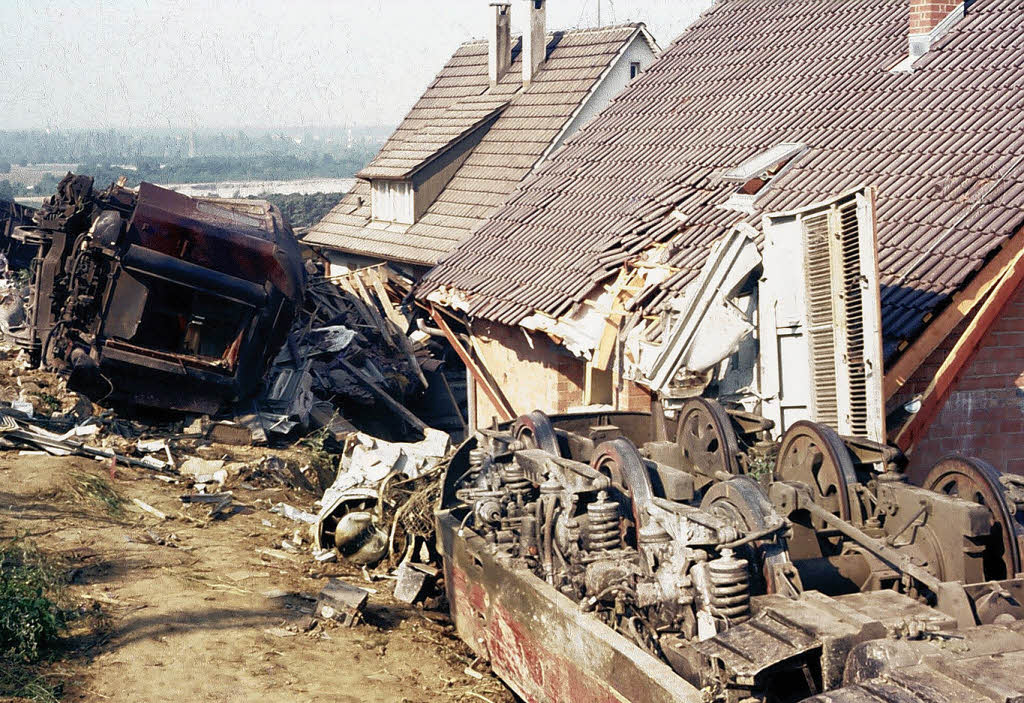
In addition to four prototype locos built in 1965, 145 class 103s entered traffic between 1970 and 1974. However, this does not tell the full story – the whole fleet never operated simultaneously. There has been one particular glaring gap in the fleet list from almost the very start; when only three months old, 103 106 was destroyed in a tragic derailment at Rheinweiler in 1971. Despite the significance of this event in German railway history, it is not well covered in histories, it being regarded as a truly black day and something of a taboo subject in some quarters.
103 245 sits on the blocks at München Hbf, 17/10/16 (JW)
The context
To understand the accident in context requires a little examination of the situation that Deutsche Bundesbahn (DB) – the state railway of West Germany – found itself in in the early 1970s.
West Germany experienced an economic boom in the wake of the Second World War, and industrial output and living standards rose dramatically. But this is not to say that its railways were a profitable operation. By 1971, DB was reported to be 15 million Deutschmarks in debt.
Steam traction remained fairly widespread and many pockets of the system had changed little since before the war. Yet the need for modernisation was keenly felt, and DB made the conscious decision to actively compete with long-distance road and air travel. The Germans had a long tradition of exploring the opportunities presented by high-speed rail and following experience with the prototypes, DB placed an order in 1969 for a production fleet of 103s. This fleet was to form the keystone of a magnificent high-speed cross-country network.
1971 was not, however, to be a magnificent year. By the end of May, there had already been three major disasters on West German railways – at Aitrang on 9th February, Illertissen on 18th May and Dahlerau on 27th May – with a total of 80 people killed in them. Tragically, July was to see a fourth disaster, and the death toll was also to rise.
The fateful day
At precisely 13:00 on Wednesday 21st July 1971, D370, the “Schweiz-Express” service slipped out of Basel Bad en route to København. The train was formed of fourteen carriages with approximately 300 passengers on board. It was hauled by 103 106, with 52-year-old Mannheim driver Karl Mitsch at the controls.
Save for being snapped by a lone railway photographer stood at the lineside at Efringen-Kirchen – this photo can now be found in a number of Eisenbahn Kurier publications – the train proceeded uneventfully for 19 minutes. At that point, approaching the village of Rheinweiler, the train began to sway fiercely from side to side, luggage tumbled from the overhead racks and, a split second later, it violently left the rails.
The loco had only entered service on 8th April, and now, after just 105 days in traffic, “number 106” had been practically destroyed, lying upside down and unrecognisable in the wreckage some distance from the railway line.
The accident
The train had derailed on a tight curve which had a maximum speed of 75 km/h. The loco and six of the carriages plummeted down a 5 metre high embankment into a residential area, leaving a trail of absolute destruction. Tragically, it had completely destroyed a house, instantly killing both a 5-year-old boy and a 90-year-old man inside. In total, 23 died and 121 were injured. Amongst the dead was Driver Mitsch.
As with many railway accidents, the death of the driver – who was the only person on the footplate – made it very difficult indeed to establish the circumstances of the derailment. Analysis of the loco’s Fahrtenschreiber (“tachograph”) revealed that it had been driven in accordance with the route’s varying linespeeds as far as Kleinkems, approximately a minute before it reached the curve.
At Kleinkems, the linespeed dropped to 120 km/h, however the Fahrtenschreiber showed that Driver Mitsch had set the loco’s AFB (Automatische Fahr und Bremssteurung – effectively, semi-automatic cruise control) to 140 km/h instead. Two kilometres later, the linespeed dropped further, to 75 km/h for the curve, but no alteration was recorded to the AFB setting at that point. Intriguingly, nor did the loco appear to have been braked.
The train’s excess speed at the curve led to an inevitable catastrophe.
The cause
The train was single-manned in accordance with the rulebook as it was not booked to exceed 140 km/h. Anything at higher speeds was to have two on the footplate, as was anything on specific lines with particularly vicious gradients and varying speed restrictions. Although the route through Rheinweiler route had numerous speed restrictions, it did not have this requirement.
Karl Mitsch had been a driver since 1950, had worked on electric locos since 1956, and over the route in question very frequently since 1958. However, he had only recently passed out on class 103 traction; an article in Der Spiegel in October 1973 claimed that this was only his third solo turn on the new locomotives.
Although the 103s were thoroughly modern machines, one of the only significant differences from the electric traction he had been working on for the previous 15 years was the presence of the AFB system. The Fahrtenschreiber printout appeared to show that this had been incorrectly programmed, with an excessive speed set on the run-up to the derailment. With Mitsch’s route knowledge beyond question, it must be wondered why this occurred.
His relative inexperience on the traction might lead to an obvious conclusion. However, this may be a dangerous assumption to make. It came to light in the wake of the accident that some serious issues with the AFB system on class 103s had already been identified. For example, a train had been reported to have been exceeding the speed at which the AFB had been set by 25 km/h on at least one occasion.
The predominant safety feature at work in the train’s final minutes would have been the Sifa – the loco’s driver vigilance device – which required operation every 50 seconds. Were this not done, the brakes would have automatically been applied. Mitsch continued to operate the Sifa correctly right until the moment of derailment.
DB had for many years employed the “Indusi” system – similar to our own Train Protection and Warning System, in the sense that it was designed to operate via track-based electromagnets to apply the train’s brakes in the event of a train passing a signal at danger or approaching a speed restriction too quickly. However, this was not universally applied, mainly due to reasons of cost. The curve at Rheinweiler was not fitted with Indusi.
However, regardless of how the AFB behaved, and given the lack of Indusi magnets, the curve on which the train derailed still followed 400 metres of straight track. In broad daylight, if not incapacitated – and Mitsch’s consistent operation of the Sifa would indicate that he was not – the driver should have been more than able to slow the train sufficiently before reaching it, preventing the derailment.
In truth, the evidence-gathering surrounding the accident probably posed more questions than it provided answers. Indeed, although the finger of blame was pointed at the driver, a truly detailed cause has never been established. This mystery is unlikely to ever be solved.
103 113 backs onto IC118 at Stuttgart Hbf, 30/05/14 (JW)
The effect
Irrespective of its cause, the effects of the Rheinweiler derailment were significant, immediate and widespread. The German popular press made repeated and vocal calls to stop increasing speeds on the Bundesbahn. It perceived there to be a safety risk where trains fit for the 21st century were in many cases being put to work on 19th century infrastructure.
In the wake of the accident, the Minister of Transport, Georg Leber, cut short his family holiday in Austria, and soon announced that the routes, timetables and speeds of all trains were to be investigated in detail in order to ensure that safety was not being compromised. One of the consequences of this was that the maximum speed of all DB trains was indefinitely restricted to 160 km/h, which must have been a bitter blow to the cash-strapped organisation as its 200 km/h flagship flying machines continued to roll off the production line. AFB was put out of operation until further notice.
Impressive efforts were made to ensure that all bases were covered in order to try to prevent a repeat of the accident. DB bowed to the longstanding demands of its drivers’ union, and Indusi was rolled out far more widely. The time interval required between the operation of the Sifa device on class 103 locos was reduced from 50 to 30 seconds.
In an attempt to secure drivers’ retention of situational awareness when driving, particularly during fog and darkness, significant alterations were made to the trackside kilometre posts across the network. Small stone posts at track level were superseded by raised signs at driver’s eye level on reflective backgrounds every 200 metres or so, and these remain a prominent feature of German railways today.
The class 103 cab environment also received attention. Some elements of the cab design had been criticised in the accident investigation, and therefore the final batch of 30 locos were constructed with slightly different cabs. They were also equipped with an additional speed control device (EFB) which was retro-fitted to the other class members in due course.
By 1979, Deutsche Bundesbahn was ready to rise again. As part of the “Intercity 79” project, maximum speeds were again raised to 200 km/h, and it would be no exaggeration to say that West Germany’s cross-country network of high-speed express trains became the envy of the world. Both safety and punctuality gained a reputation as being exemplary. The 103s, now permitted to truly stretch their legs, also cemented their reputation as one of the finest locomotive types of all time.
Their star began to fall in the late 1980s when the 60 new class 120.1 locos began to make their presence felt on the Hamburg-München route, the express backbone of the country. The 103s continued to be flogged, however, and continued to provide sterling service. But by the mid-1990s, they were beginning to show their age, and their almost like-for-like replacement by a fleet of 145 Bombardier-built class 101s commenced in February 1997.
Tragically, history was to repeat itself, in a way. Just 20 months into its service life, on 6th February 2000, a misunderstanding regarding a temporary speed restriction and bi-directional working led the driver of 101 092 to enter a 40 km/h turnout at Brühl at 122 km/h, causing it and several coaches to plunge down an embankment into a house. Nine people died. This is a link to a 43-minute documentary about that accident (in German). The loco was a write-off, but a 146th frame was constructed, and the so-called “101 092II” remains in service to this day.
But perhaps the strangest coincidence of all was that 101 092’s train also carried the “Schweiz-Express” name…
The “new” 101 092, at Stuttgart Hbf, 30/05/14 (JW)
Today
Intriguingly, after 103 132 sustained accident damage in 1976, part of 103 106’s frame was used in its repairs. 103 132 was one of the last 103s to remain in traffic, and is one of the 14 production 103s to still remain intact – owned by the DB Museum and stored at Dessau Works since 2009.
The legacy of the accident at Rheinweiler is still visible right across the German railway network even today. Perhaps this is some compensation for the fact that it seems to be very rarely mentioned.
However, the tragedy is still acutely remembered in Rheinweiler. Far fewer trains pass the spot nowadays – the freight and expresses have been diverted via the new Katzenberg Tunnel since 2012 – but the locals continue to tend to a modest memorial to the victims of the accident on that fateful day in 1971.
If you’re enjoying the content of this website, please could I invite you to have a look at how you could support it? Thanks!
Finland is an amazing country that’s well worth a visit – I will shortly post a resume of the loco haulage that’s still to be found on passenger services there.
Sadly, diesel haulage on passenger trains is not so widespread any more, however there are a number of excursions advertised for heritage diesel haulage through the summer – featuring classes Dr12, Dr13 and a Dv15 and Dv16 pairing.
Saturday 27th May 2017
Dv15 1991 + Dv16 2038 – 09:30 Seinajoki to Kaskinen (freight only line) and 15:20 return, €25. Operated by HMVY. Link.
Friday 14th July 2017
Dr13 2343, two round trips Turku to Uusikaupunki (freight only line). Operated by HMVY. Link.
Saturday 15th July 2017
Dr13 2343, two round trips Turku to Uusikaupunki (freight only line). Operated by HMVY. Link.
Sunday 16th July 2017
Dr13 2343, one round trip Turku to Uusikaupunki (freight only line). Operated by HMVY. Link.
Saturday 16th September 2017
Dv12 2216, Lahti to Hyvinkää and return. Operated by HMVY. Link.
Saturday 7th October 2017
Dr12 2216 (still being advertised as Dv15 1991 + Dv16 2038 in at least two places online) – Seinajoki to Kaskinen (freight only line) and 15:20 return, €30 – payable in cash only on the platform or on the train. Operated by HMVY. Link.
If you’re enjoying the content of this website, please could I invite you to have a look at how you could support it? Thanks!
I woke up in my own bed in Birmingham, travelled behind 18 mainline electric locomotives and 1 diesel, and returned to my own bed that same night. All for less than the price of your average enthusiast railtour.
This is the second in my occasional series of “…In A Day” articles, focusing on day trips that can be made to experience continental railways without spending too much money or too much time away from home. In March we visited København, this time we visit Paris.
France’s capital is frequently cited as one of the best places in the world to visit for a romantic city break, however its appeal from a railway point of view is perhaps lesser known! However, it is an interesting destination nonetheless – although it’s fair to say that visiting Paris for its railways will take you away from the tourist trail.
Getting There
Most obviously, Paris is one of two European capitals currently accessible directly by train from the UK; via Eurostar from London St Pancras, Ebbsfleet and Ashford. The city centre-to-city centre journey time from London is in region of 2hr 20min, which once travel to and from airports, check in and security time etc is taken into account, is faster than air.
If you do wish to make a day trip by air, though, you do have numerous options. Paris has two main airports – Charles de Gaulle (CDG) and Orly (ORY) which are served by frequent flights from numerous British airports throughout the day. There’s also Beauvais (BVA) airport, to the north of the city, which doesn’t currently see flights from the UK.
27302 at Clamart, 22/05/17 (JW)
Loco Hauled Suburban Passenger Trains
Paris may not sit in the mind alongside Brussel, Zürich,Wien, Warszawa etc as one of the “great” European cities where large numbers of locomotives can/could be travelled behind in small amounts of time, but with numerous suburban routes served by intensive loco-hauled stopping trains, Paris will still give you a good return on this.
Much like London, Paris is served by multiple termini (seven – clockwise from the top: Nord, Est, Lyon, Bercy, Austerlitz, Montparnasse and St Lazare) each of which have a distinct character.
For the purposes of this article, I will only give a brief outline of loco haulage on suburban services, as “intercity” long distance services are far less easy to cover on a day trip, particularly when long distances (and consequently, expensive fares) are required to travel even just to the first stop.
Paris Nord, probably the first termini that most visiting Paris will arrive at (either directly on the Eurostar or on the unit from CDG airport) sees BB15000 electrics working regional services (roughly one an hour) towards Creil, Compiègne and St Quentin. However, these are generally non-stop to Orry-la-Ville-Coye – only about 20 minutes out of the capital, but which sits outside the area of validity of the tickets that I’ll tell you about slightly further on in this article.
15024 at Paris Nord on a sleeper from Hamburg, 02/09/07 (JW)
Since the high-speed line to Strasbourg (the “LGV Est”) opened, the amount of loco haulage at Paris Est has been much reduced, with TGVs via the new line replacing loco and stock via the “classic” line almost completely. Local services are also mainly in the hands of multiple units.
Exceptions are two weekdays-only peak-hour commuter trains in from La Ferté Milon in the morning peak (06:18 and 07:18 from La Ferté Milon), returning in the evening (17:05 and 18:05 from Paris). These are booked for BB67400 diesel locos, but there have been a number of recent reports of either of these being substituted by multiple units. The BB67400s are Pielstick-engined “Type 4” equivalents, the first of which entered traffic in 1969. In general, their sphere of operation has contracted year-on-year and these are now the last passenger workings that take them in and out of the capital.
67511 awaits departure from Paris Est, 22/05/17 (JW)
Other diesel action out of Paris is provided by the big six-axle CC72100 machines, again solely out of Est. These handle some of the Intercity services on the route to Troyes, Culmont-Chalindrey and Belfort, but are in the process of being replaced by bi-mode “Coradia Liner” multiple units and this is expected to have been completed by July, with all of the CC72100s gone by the end of the year. (Diagrams and recent workings can be found on the excellent European Rail Gen group, to which I encourage you to sign up and post, however do bear in mind that unit substitutions can, and indeed do, occur). However, for the minute, they represent one of the last places in Europe where you can travel on a “classic” diesel-hauled long-distance Intercity service, with mile after mile at 160km/h and up to 100 miles between station stops. On the other hand, this does make scratching in many locos quite difficult and time-consuming. Personally, I’ve tended to only use them for long-distance journeys – over 300 miles to and from Mulhouse, for example; though they now only run the 275 miles to Belfort – still a fair old journey! (Edit: retained for posterity, but these locos eventually finished on passenger in August 2017).
Paris Est also sees BB15000 action on local services – the fairly infrequent services to St Dizier and Bar le Duc are powered by them – however these are generally non-stop to Chateau Thierry, 45 minutes distant, which again sits outside the area of validity.
7613 arrives at Versailles Chantiers, 19/10/14 (JW)
Moving round to Montparnasse, we find much more loco haulage. In fact, the corridor between there and Versailles Chantiers – 10 miles containing 7 intermediate stations – sees a 15-minute frequency of loco hauled stopping trains in both directions through the day. These are all electrics, with duties shared between BB7600 and BB27300 classes hauling double-deck “VB2N” stock. The former are, like the BB15000s, classic Paul Arzens-styled “broken nose” machines, a 14-strong fleet converted from BB7200s a few years ago purely for these duties. They are 1,500 v DC locos, meaning that they can only work services to Plaisir Grignon and (primarily) Rambouillet. The routes beyond Plaisir Grignon are electrified at 25,000 v AC, so are the preserve of dual voltage BB27300 “Alstom Prima” electrics, built about 10 years ago, which do also turn up on some Rambouillet services.
Some “classic” BB7200s can be found on some services between Montparnasse and Le Mans, which are non-stop from Montparnasse to Versailles Chantiers, however these in the main seem to now be units.
The rule out of Montparnasse is for the locos to be on the country end working in push-pull fashion, necessitating a walk to the front of the trains from the blocks to see which locos are on them – although there is also a footbridge between some platforms midway down the platform, which makes this a little less awkward.
27316 passes Clamart on a semi-fast to Dreux, 22/05/17 (JW)
Mention a little while back of Mantes la Jolie brings us nicely onto the next terminus round – St Lazare – as BB27300-powered trains also run from Mantes la Jolie into there. This means that it’s perfectly possible to travel between Montparnasse and St Lazare entirely loco-hauled, but this will take you several hours as opposed to a quarter of an hour on the Metro!
Although some of the last remnants of the doomed BB17000 class of electrics have been seen working out of St Lazare as recently as earlier this month (May 2017), the general rule now is for all of the loco haulage on suburban services in and out of St Lazare to be BB27300s.
There are actually two routes to Mantes la Jolie from St Lazare – both worked by BB27300s – the quicker, southerly route via Poissy and the slower, more northerly route via Argenteuil and Meulan Hardricourt each seeing 30-minute frequencies. The latter shares the route as far as Conflans Saint Honorie with the services along the route towards Pontoise, Boissy l’Aillerie and Gisors, which also operate at a 30-minute frequency – so there’s a combined frequency of every 15 minutes between St Lazare and Conflans.
By the way, more helpfully than Montparnasse, locos here are on the blocks end which means waiting at St Lazare for your specific painted number to appear is far less strenuous!
27303 departs Bellevue, 19/10/14 (JW)
One thing you may notice is a discrepancy between the numbers painted on the sides of the locos in the pictures and videos here, and what I refer to them as. Quite simply, in recent years SNCF has adopted a locomotive numbering convention that reflects its sectorisation, and now has numbers are up to six digits long where the first references that loco’s sector (e.g. “807603” is BB7603 belonging to Transilien (“8”); “115064” is BB15064 belonging to SNCF Voyages (“1”), and so on). To keep things simple, I’ll refer to these locos by their pre-sectorised numbers here.
In terms of the class numbers of mainline locos themselves, the letters reflect the wheel arrangement (e.g. BB, CC, A1AA1A etc) and classes between 0000-9999 are DC electrics, 10000-19999 are AC electrics, 20000-29999 are dual voltage electrics, 30000-39999 triple voltage electrics, 40000-49999 quadruple voltage electrics, and 60000-79999 diesels.
Route Map
A non-exhaustive map showing most of the routes described in this article (JW)
Validity
There are actually a couple of rover-type tickets available for unlimited travel in the Paris area, but the best value is the RATP Mobilis ticket (link in French). Mobilis tickets are available from RATP ticket machines however these machines oddly tend to take only coins or cards – I don’t know about you, but I don’t tend to carry €17.30 in change with me if I can help it! These tickets can also be purchased over the counter using notes, however, and that is what I did at Paris Nord – it took about two minutes and was a very simple transaction.
Mobilis tickets are priced on a zonal basis, and the official zonal map can be found here.
Zones
Price (EUR)
Price (GBP) *
1-2
€7.30
£6.33
1-3
€9.70
£8.41
1-4
€12.00
£10.40
1-5
€17.30
£15.00
* Conversion based on 25/05/17 exchange rates
If you wish to travel on the BB67400-hauled commuter trains out of Paris Est, then you will need to purchase a zone 1-5 ticket, purely because the trains’ first stop at Meaux sits within zone 5.
Just a note on the Mobilis ticket – what you aren’t told is that it is only valid once you have written on it – date of use, first name and surname. Be warned! (Although I must say that it was not looked at all day, only serving a purpose to get me through barriers).
15064 at Paris Nord, 22/05/17 (JW)
Safety & Security
I feel I need to add a note on personal safety here. The November 2015 terror attacks in Paris are still fresh in the memory, as are the “Charlie Hebdo” killings and numerous other terrorist actions in and around the city since 2013. Additionally, my A-Level French well over 10 years ago contained a solid two months’ work on how dangerous the Paris banlieue (suburbs) are and how they are apparently no-go areas, and the press frequently back this assertion up.
I can honestly say that I’ve never felt unsafe anywhere that I’ve been in Paris, although a degree of caution and “street smarts” (to use an awful Americanism!) are helpful in any capital city – particularly when it comes to beggars, pickpockets etc.
What is true about the suburbs is that unlike certain other capital cities – London, Berlin etc – many suburbs are in effect quite deprived self-contained settlements, rather than dormitories for the city, and consequently they have little in common with the picture-postcard tourist trail around the Eiffel Tower, the Champs-Élysées, etc. Bashing the suburban trains – particularly if you follow my itinerary at the bottom of this page – will most likely take you into the suburbs at some point. Purely through habit in such areas, I wouldn’t tend to show off expensive camera equipment, simply not to draw attention to myself, but this isn’t something I would say is specific to Paris.
By the very nature of this article, it does not cover travel on trains late at night, and from experience the outer parts of the city do take on an edgier character at those times.
My Day
As ever, I would not take the liberty of assuming that all readers would wish to approach their day in the same manner that I did. However, here is a brief run through of how I chose to approach my day (Monday 22nd May 2017).
In order to apply some structure to the 8 hours or so that I had in Paris, I elected to first head over to St Lazare station to travel behind as many electric locos as possible on the routes out of there; then to Montparnasse for more of the same; and finally over to Est to have a slower-paced look at the diesels, before a meal and then my Eurostar home.
3014 at London St Pancras, 06/04/14 (JW)
The journey to Paris was uneventful; I arrived at St Pancras with far more than the minimum 30 minutes check in time required, and my Eurostar rolled into Paris Gare du Nord spot on time at 11:47; local time.
Having purchased my ticket at the RER ticket office down the stairs to the left-hand side of the blocks, I continued through the passageway to reach Magenta station, where I stepped straight onto one of the frequent EMUs through to the terminus of Haussmann-St Lazare, which sits beneath the terminus station of Paris St Lazare.
Ferrotract Vossloh G1206 no.1552 (276038), Paris St Lazare, 22/05/17 (JW)
In the spirit of riding behind as many locos as possible, I chose to ignore the Mantes la Jolie via Poissy services, and focus on the 15-minute-frequency corridor through Argenteuil and Conflans Sainte Honorie. I chose two stations – Val d’Argenteuil and Cormeilles en Parisis – 2.2 miles apart, which allowed me to spin up and down between them travelling on every service in both directions, until the BB27300s that I’d had heading into town started to reappear coming back out. Neither of these stations are “good for a fast leap” with lengthy subways between platforms, meaning that you do rely on good punctuality to be able to continue to do this, but I had no problems.
In all, I was out of St Lazare for 1hr 43min, and in that time made 10 separate moves resulting in 9 individual locos for haulage.
27350 at Cormeilles en Parisis, 22/05/17 (JW)
Apart from the BB27300s themselves, there were a couple of other items of interest to be seen. First up was orange centre-cab Vossloh G1206 (1552 / 276038) leased to Ferrotract which was sat in the sun in one of the platforms at St Lazare (photo above).
Also, on the left-hand side of the train between Argenteuil and Val d’Argenteuil was a small engineer’s yard which contained another Ferrotract G1206 (1573) and, notably, two ex-Deutsche Bundesbahn V100 diesel-hydraulics, both now with Eurovia Travaux Ferroviaires (ETF) – “512-3” (211164) and “524-8” (211136).
Here’s a very rushed photo of the latter!
Ex-DB V100 diesel-hydraulic no.211136, Val d’Argenteuil, 22/05/17 (JW)
Additionally, perhaps of interest to some UK enthusiasts, was a Euro Cargo Rail EWS-liveried Class 66 GM diesel which passed Val d’Argenteuil at approximately 13:40 with a long freight train heading away from Paris.
Having arrived back at St Lazare, I wasted no time in heading down to the Metro to catch line 12 directly to Montparnasse – or, rather to Montparnasse Bienvenue station, which purports to serve Montparnasse terminus, but it’s quite a long walk through the underground passageways to reach it!
From Montparnasse, the first stopping train departure was the 14:50 to Mantes la Jolie which was headed by 27309, which I required for haulage, so that set the tone for the next hour or so. Again, the stations along this route are served by loco-hauled trains at 15-minute intervals in both directions, so again I picked two stations (Vanves Malakoff and Clamart, 0.9 miles apart) that allowed me to travel up and down between them on every one of them.
To refute the myth I didn’t do any sightseeing…….! The view from Clamart station.
This was achieved at a marginally better pace as the trains at these stations stopped either side of island platforms – no subways or footbridges to contend with!
Again, I made 10 separate moves and travelled behind 9 different locomotives – 7 of them BB27300s again, but the highlights were two BB7600s (admittedly only for very short runs).
I could have continued with my “scratching spree” – I’m confident that 30 or even 35 different locos for the day would have been very achievable in the time I had, if high volumes of locos was my only aim – but having spent the first half of my time on very short runs with relatively new, relatively unexciting traction, I decided that I would now like a longer run with something older and louder.
27310 rolls into Vanves Malakoff, 22/05/17 (JW)
As a result, I headed over to Est on Metro line 4, again a direct journey (for reference, this route also links these two termini with Nord, making it quite a useful one for our purposes). However, “direct” does not necessarily equate to “fast”, especially in the rush hour. Less than 4 miles as the crow flies, there are 13 stations to call at, and this took 26 minutes.
I still arrived in good time for the 17:05 to La Ferté Milon, with 1971-built 67511 at its head, which I caught to its first stop of Meaux, a distance of 27.4 miles. This was a really enjoyable journey – I was able to sit about 10 feet behind the loco, which was hauling two five-car “RIB” sets, with the window pulled down to forehead level even in a seated position. The loco was worked fairly hard, with the 120km/h top speed of the stock being exploited fully, and the scenery further out as the route criss-crosses the Marne river is quite pretty. And all this on a really sunny afternoon to boot – definitely the highlight of my day. (Check out this link for a bashing report of a trip in 2014 which includes some videos of BB67400s).
In a classic case of “after the Lord Mayor’s show comes the dustcart”, my loco haulage for the day was now over, and an EMU soon shuffled in to take me non-stop back to Paris.
67522 passes outside Paris Est, getting into its stride with the 18:05 to La Ferté Milon, 22/05/17 (JW)
Just outside Est station, 67522 stormed past with the 18:05 departure. This is not timed to make at Est, it’s a minus 4 – if you wish to travel on both the 17:05 and 18:05, you need to stay east of Meaux.
You may wonder, then, why I didn’t do this myself, especially as 67522 was also required for haulage. There were two reasons; one was the fact that if you travel on the 18:05 beyond Meaux – even just to its next stop of Trilport, 6 minutes later – you wouldn’t get back to Paris in time for the 20:13 Eurostar, my train home on this day.
Just in time to see 72189 depart with the 18:12 to Culmont-Chalindrey, 22/05/17 (JW)
The other reason was that I hoped to get back to Paris in time to witness the departure of IC11743, the 18:12 to Culmont-Chalindrey, which is still booked for haulage by one of the popular big CC72100 class diesels. I managed this, just about (as you can see, the photo wouldn’t win any awards!) but I was pleased to stand and enjoy watching it leave, as I suspect this will be the last time I see one here. I’ve got great memories of long distance blasts with these engines to and from Belfort and Mulhouse from days gone by, and I will miss them.
As IC11743’s tail light disappeared into the distance, I had just two hours until my Eurostar departed (so, 90 minutes until check in for it closed). Rather than head off elsewhere looking for more loco haulage – and risk making it tight for my train home – I went for some food and a beer and then had a look at the electrics sat on the blocks at Nord before finding my train back to England.
22321 and 22342 sit at the buffer stops at Paris Nord, 22/05/17 (JW)
The 19 different locos that I travelled behind during the day was nowhere near my personal record of 56 in a day trip (Birmingham to Brussel and back when I was 18 and had considerably more stamina!) but I was still entirely happy with a varied and interesting day.
Here is my “move” for the day:-
Birmingham Intl.
0540
EMU
1R00 05:00 Wolverhampton – Euston
London Euston
0705
London St Pancras
0831
EMU
9010 08:31 St Pancras – Paris Nord
Paris Nord
1147
Magenta
1205
EMU
19176 11:34 V. sur Marne – H. St Lazare
Haussmann St Lazare
1209
Paris St Lazare
1227
27334
31071 1227 St Lazare – Boissy l’Aillerie
Cormeilles en Parisis
1245
1251
27357
36862 1152 Mantes la Jolie – St Lazare
Val d’Argenteuil
1254
1257
27340
36873 1242 St Lazare – Mantes la Jolie
Cormeilles en Parisis
1301
1306
27338
37064 1156 Gisors – St Lazare
Val d’Argenteuil
1309
1312
27350
31073 1257 St Lazare – Boissy l’Aillerie
Cormeilles en Parisis
1315
1321
27332
36870 1222 Mantes la Jolie – St Lazare
Val d’Argenteuil
1324
1327
27364
36881 1312 St Lazare – Mantes la Jolie
Cormeilles en Parisis
1331
1336
27341
31080 1305 Boissy l’Aillerie – St Lazare
Val d’Argenteuil
1339
1342
27357
37083 1327 St Lazare – Gisors
Cormeilles en Parisis
1346
1351
27326
36874 1252 Mantes la Jolie – St Lazare
Paris St Lazare
1410
1422
Metro
Line 12
Paris Montparnasse
1436
1450
27309
65623 1450 M’parnasse – Mantes la J.
Meudon
1500
1501
27307
65626 1355 Mantes la J. – M’parnasse
Vanves Malakoff
1506
1510
27314
65425 1505 M’parnasse – Rambouillet
Clamart
1512
1519
7603
65428 1422 Rambouillet – M’parnasse
Vanves Malakoff
1521
1525
27310
65527 1520 Montparnasse – P. Grignon
Clamart
1527
1534
27304
65530 1456 P. Grignon – Montparnasse
Vanves Malakoff
1536
1540
27302
65429 1535 M’parnasse – Rambouillet
Clamart
1542
1549
7614
65432 1452 Rambouillet – M’parnasse
Vanves Malakoff
1551
1555
27307
65631 1550 M’parnasse – Mantes la J.
Clamart
1557
1604
27311
65634 1455 Mantes la J. – M’parnasse
Paris Montparnasse
1611
1625
Metro
Line 4
Paris Est
1651
1705
67511
17255 1705 Paris Est – La Ferté Milon
Meaux
1733
1744
EMU
17160 1704 Chateau Thierry – Paris Est
Paris Est
1809
Paris Nord
2013
EMU
9059 2013 Paris Nord – St Pancras
London St Pancras
2139
London Euston
2230
EMU
9G48 2230 Euston – Wolverhampton
Birmingham Intl.
0021
Finances
I introduced this article by asserting that it was a relatively cheap day out (in comparison to a railtour) and here are the numbers to support that.
Virgin Trains ticket Birmingham Intl to Euston = £6.00
Outward Eurostar ticket = £19.00
Rover ticket = £15.00
Return Eurostar ticket = £19.00
Virgin Trains ticket Euston to Birmingham Intl = £6.00
Total = £65.00
The £19.00 each way Eurostar tickets were obtained as part of a limited-time online special offer, but these are worth keeping an eye out for as they make cross-Channel travel much more affordable. Additionally, my Virgin Trains tickets were both purchased in advance online and considerably cheaper than the equivalent walk-up fares.
Again, I’ve elected to leave petrol, parking and sustenance out of the equation, as these would be costs associated with most days out regardless of destination, but even with those taken into account, I’m sure you’ll agree it was still a good value day out.
If you’re enjoying the content of this website, please could I invite you to have a look at how you could support it? Thanks!

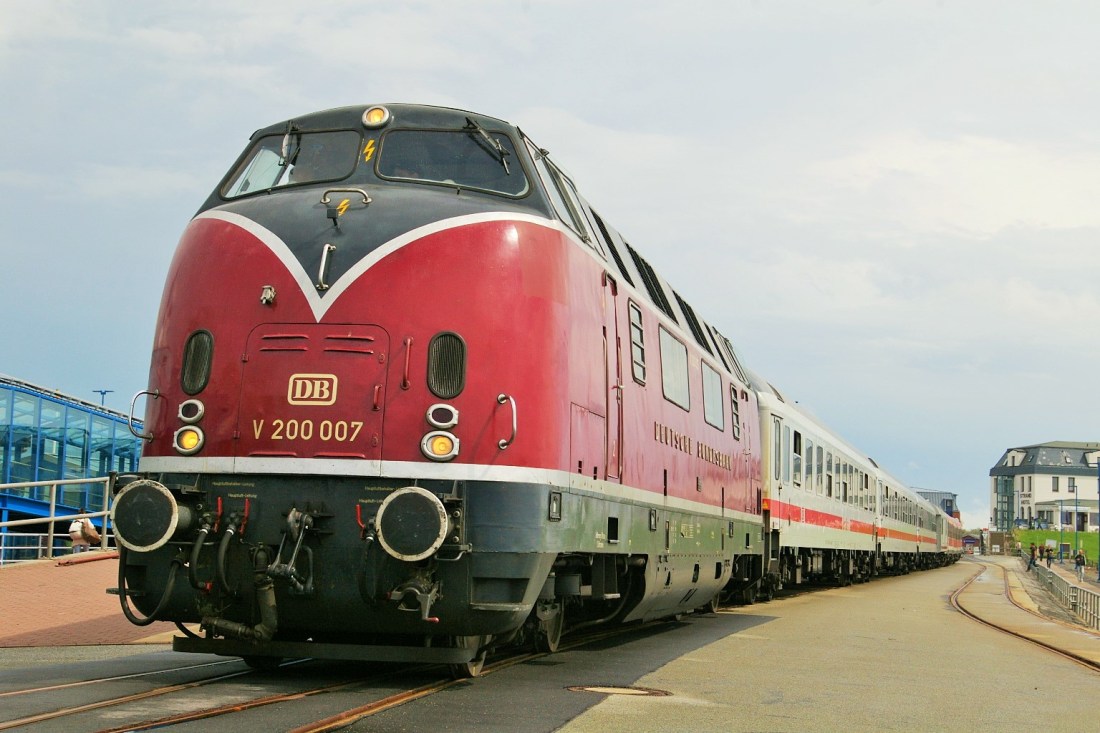
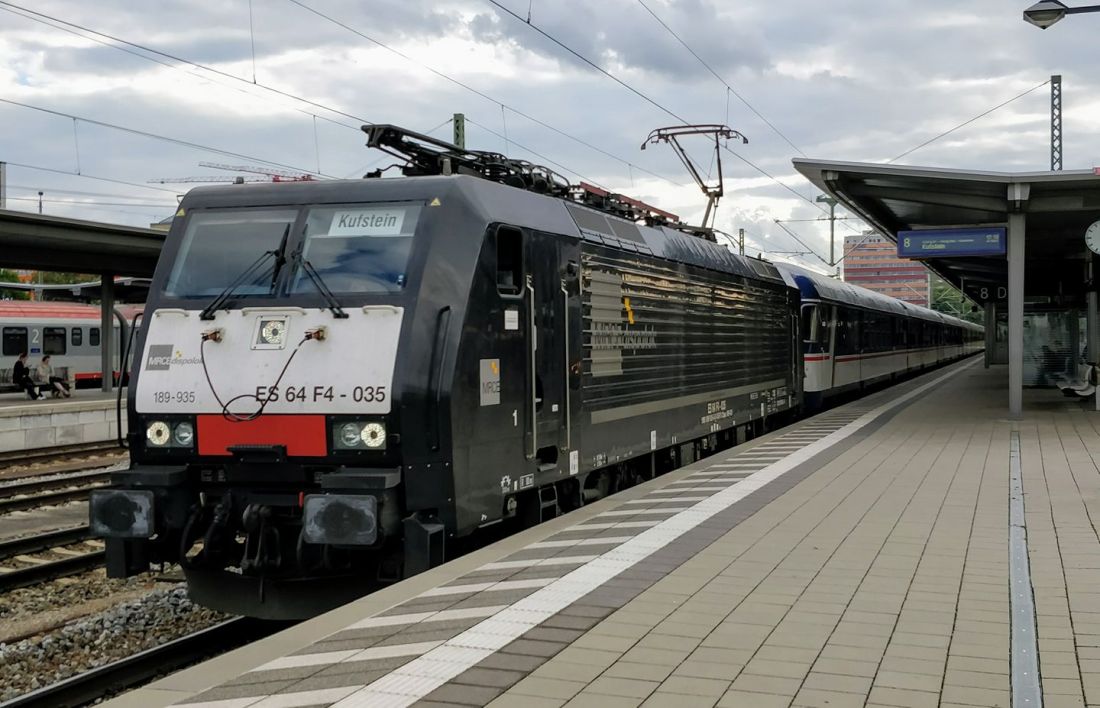


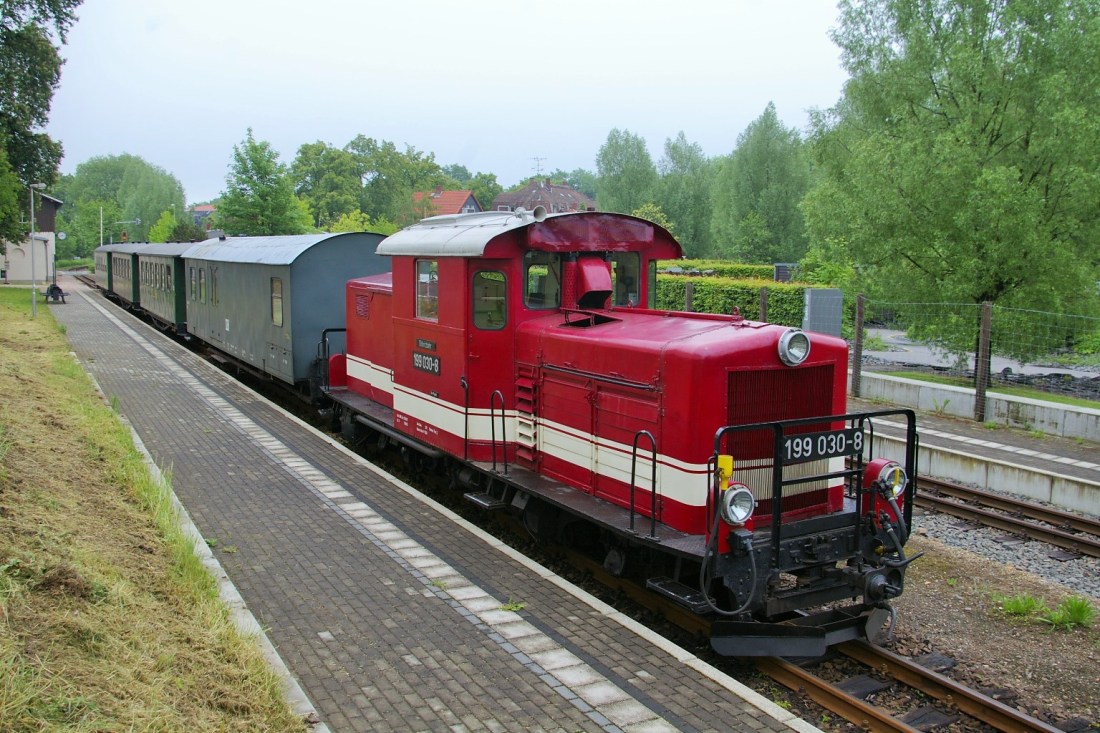
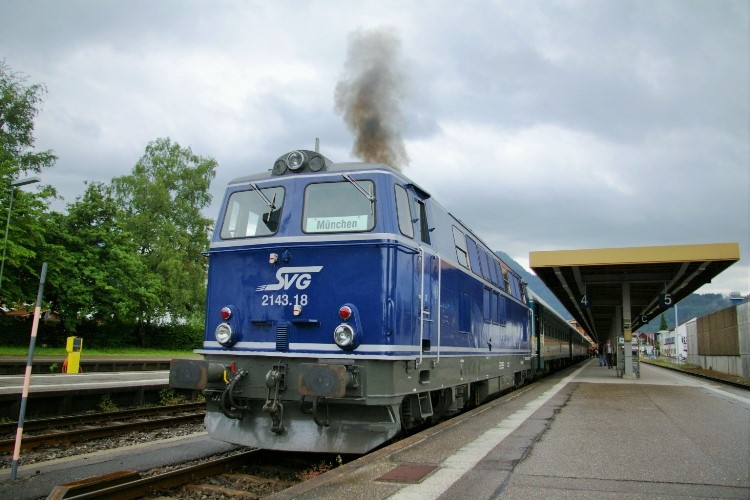
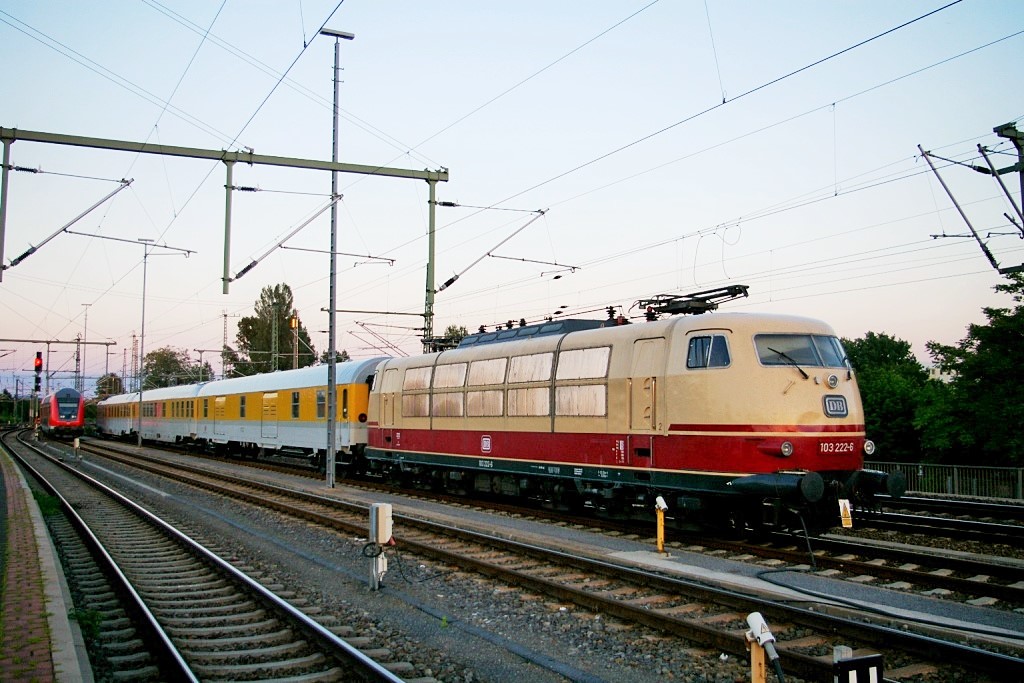


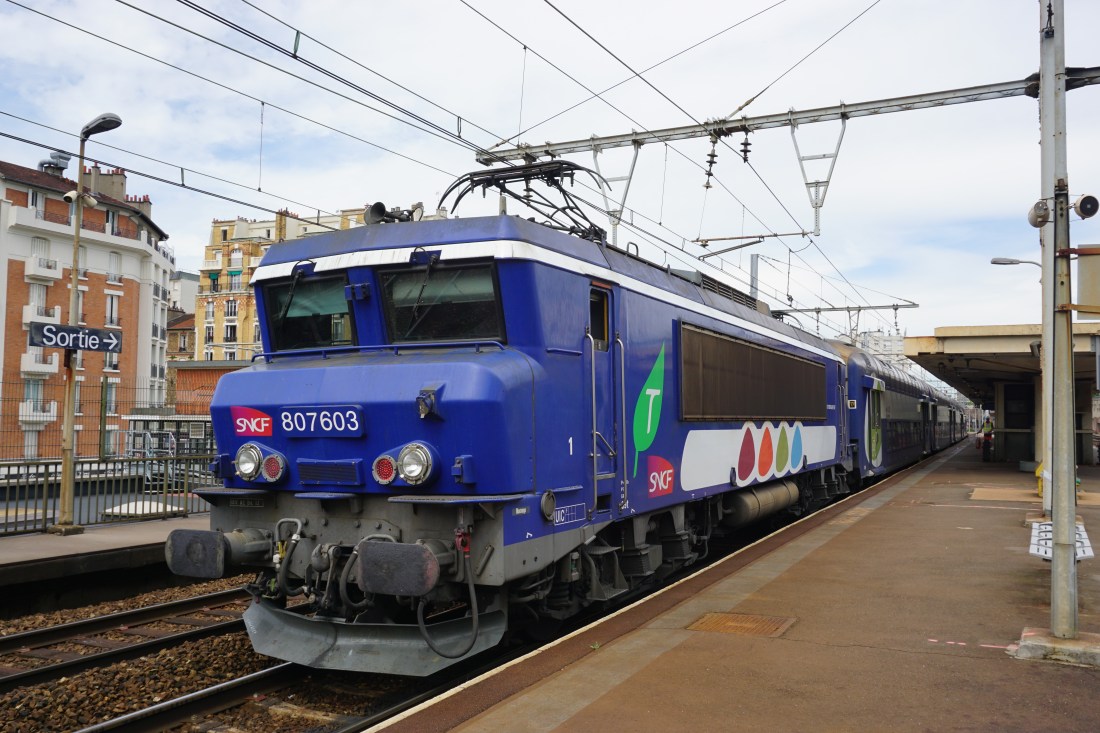

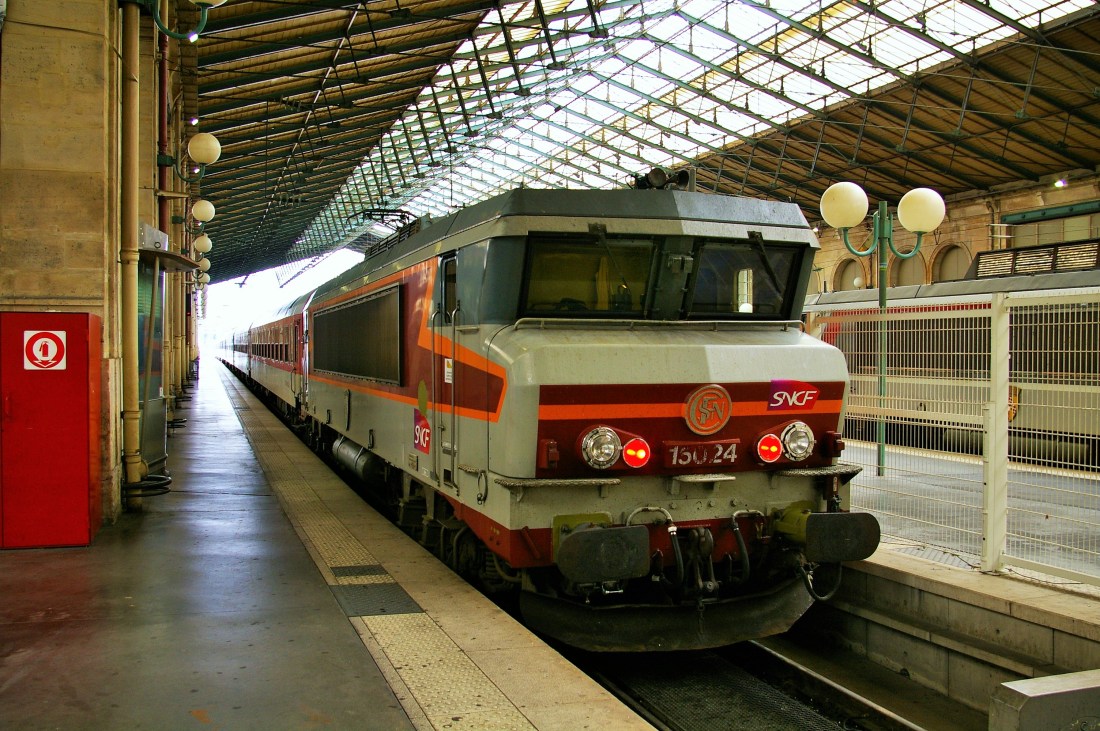
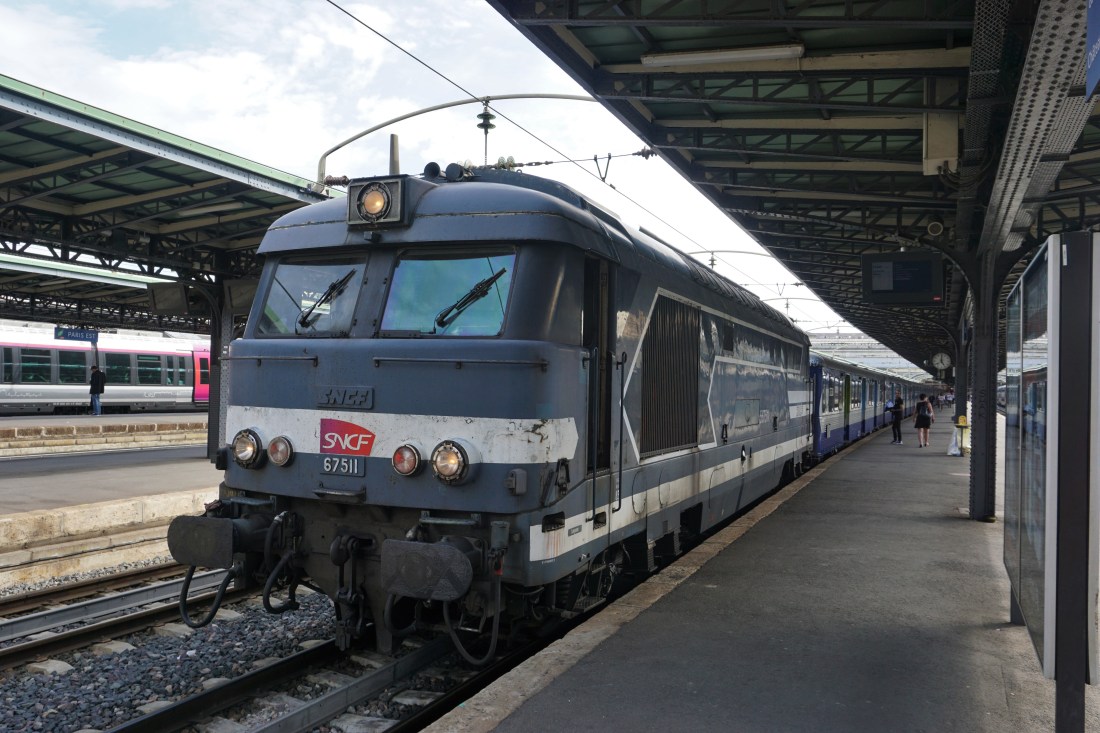
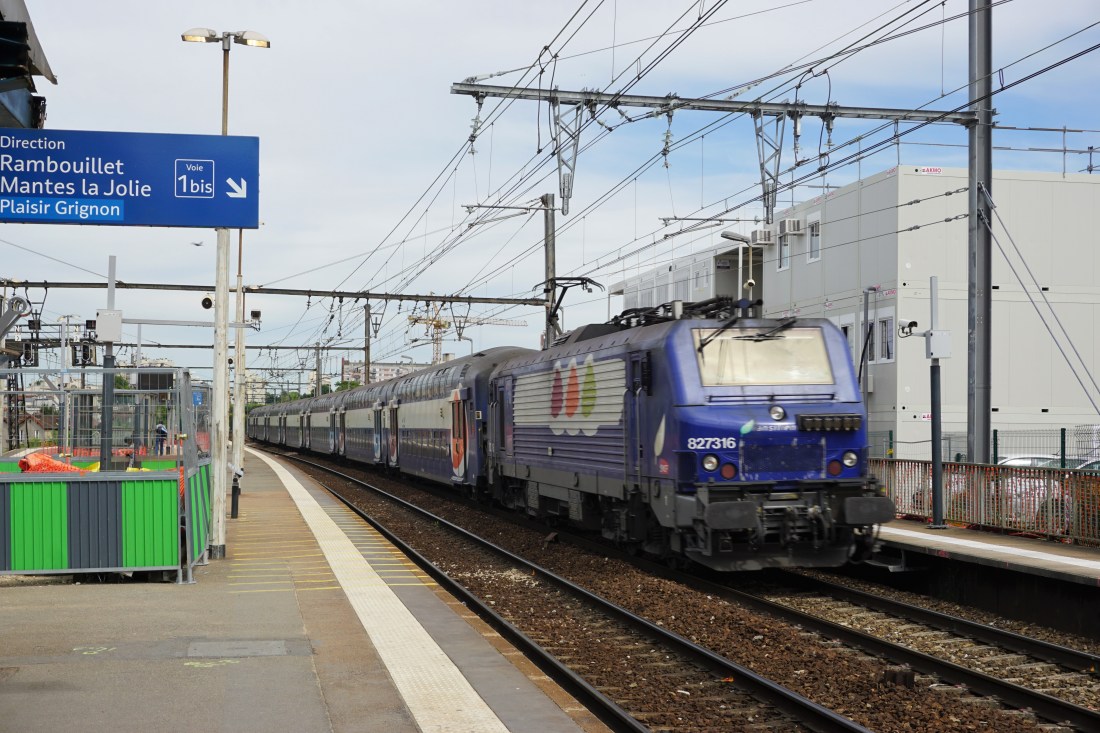

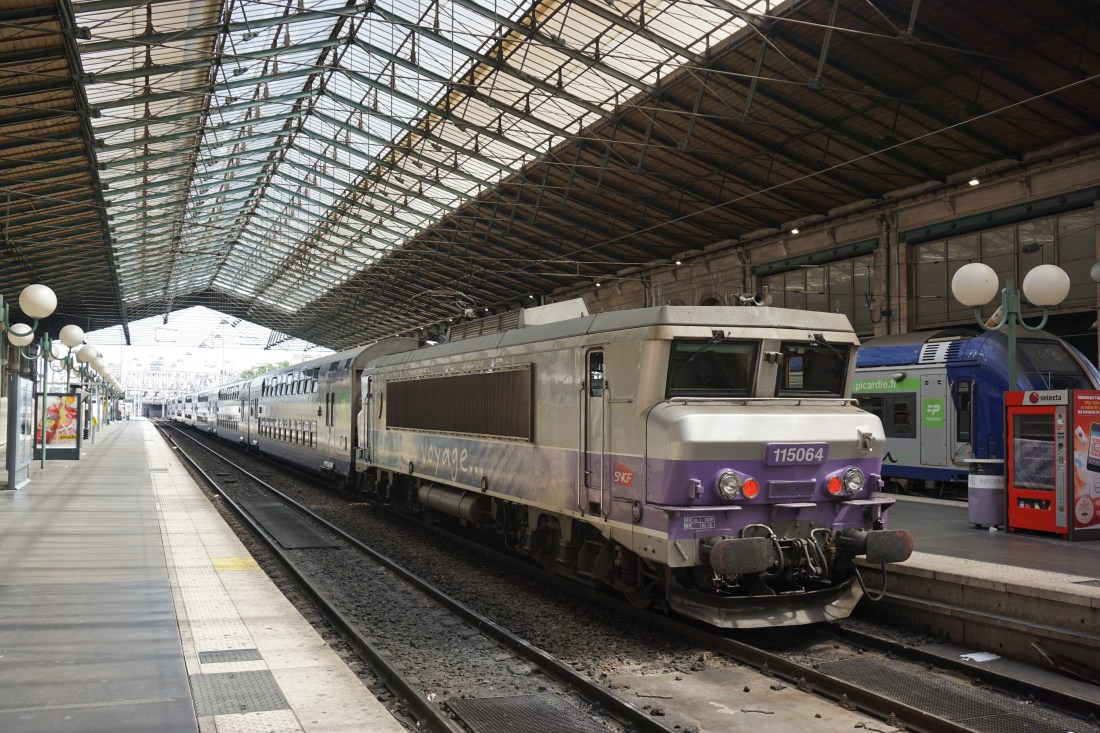
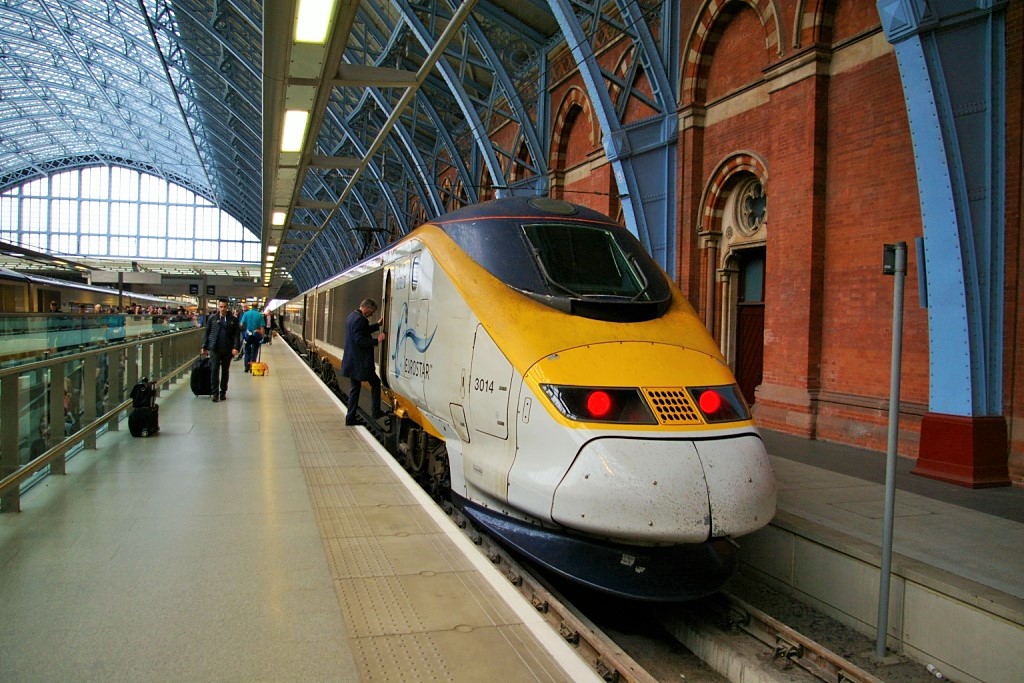
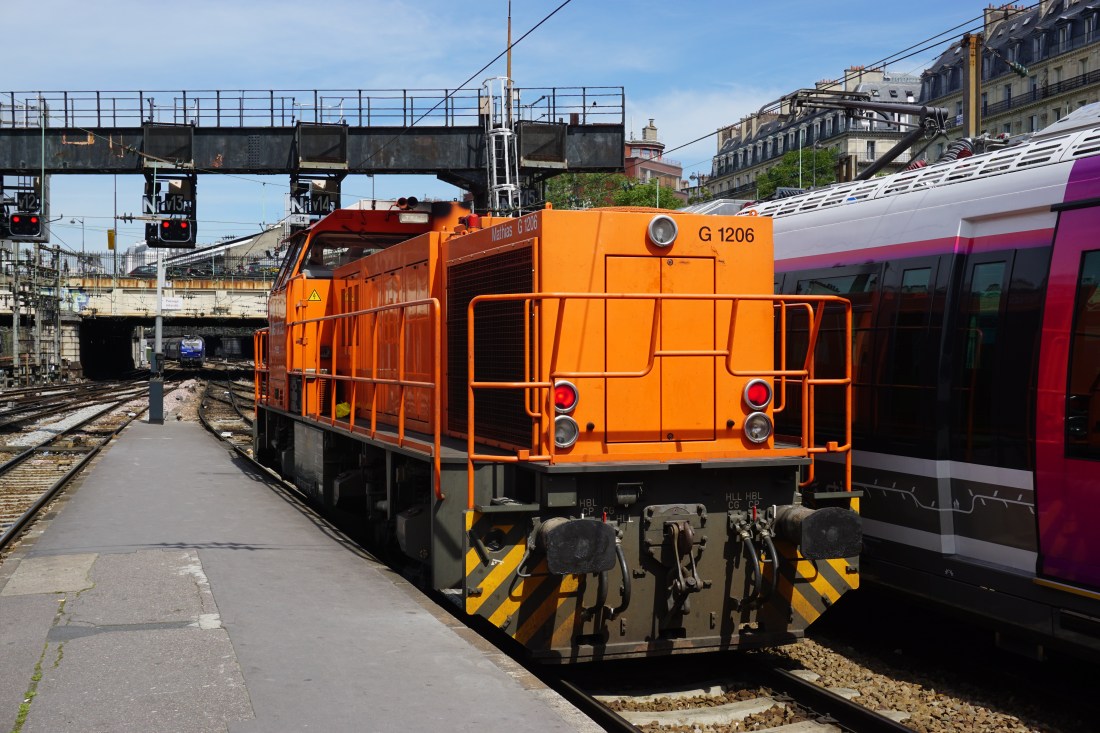
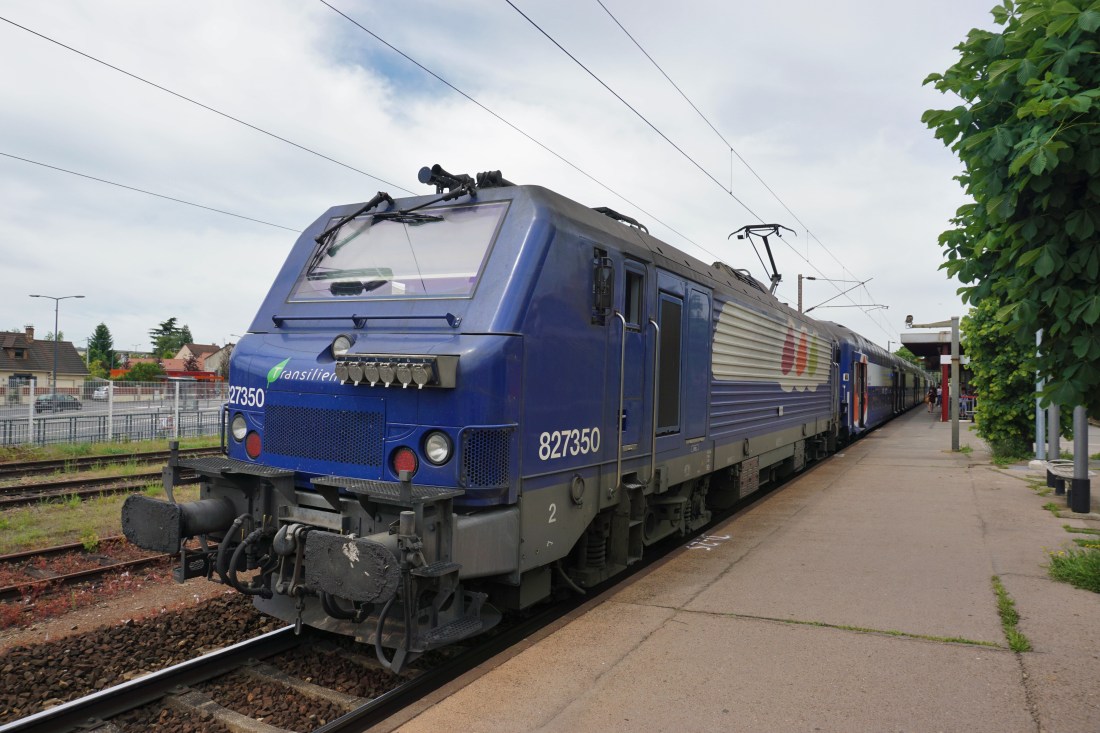
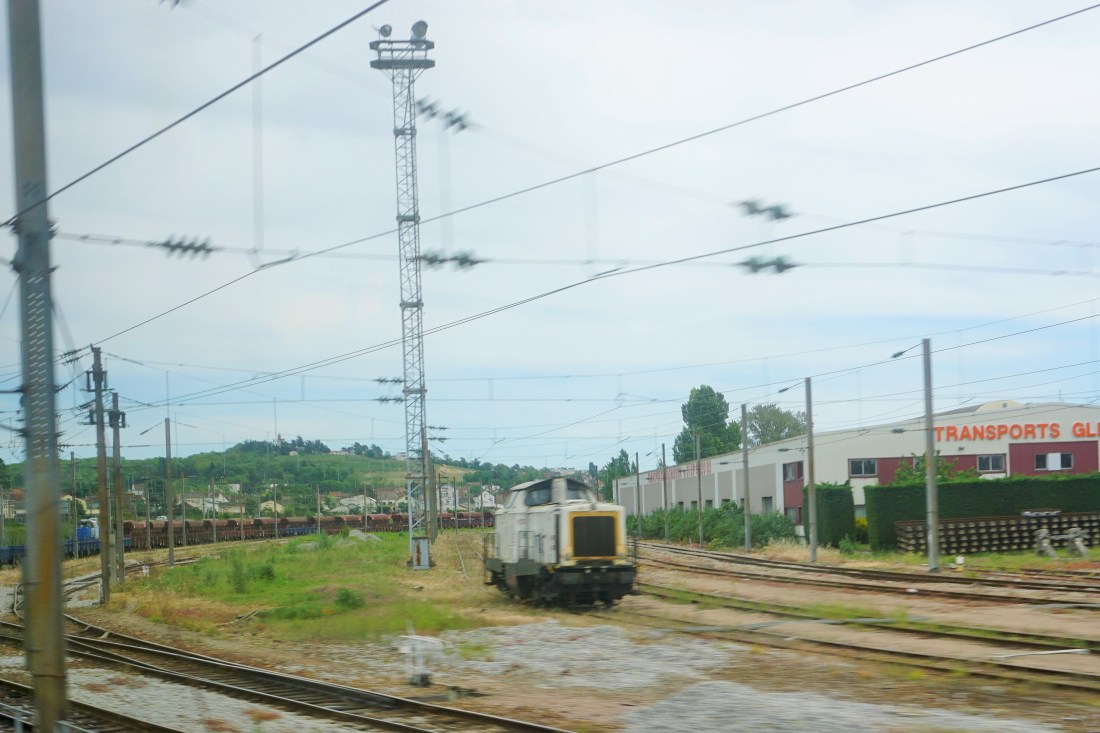
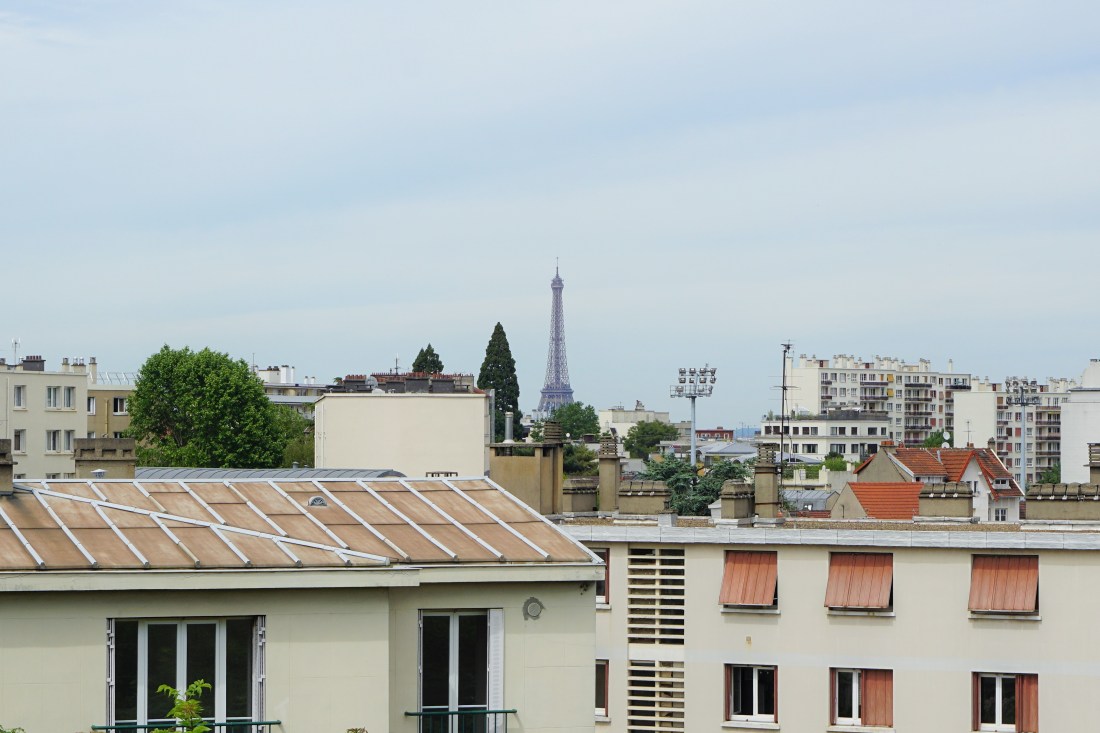

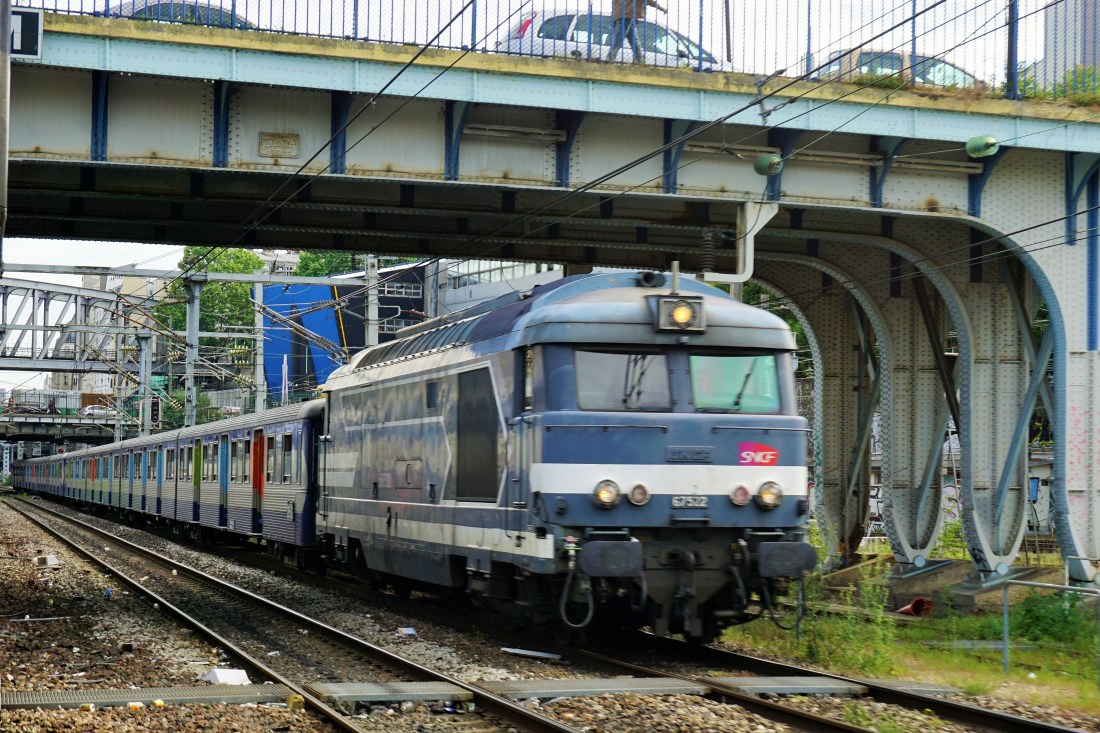
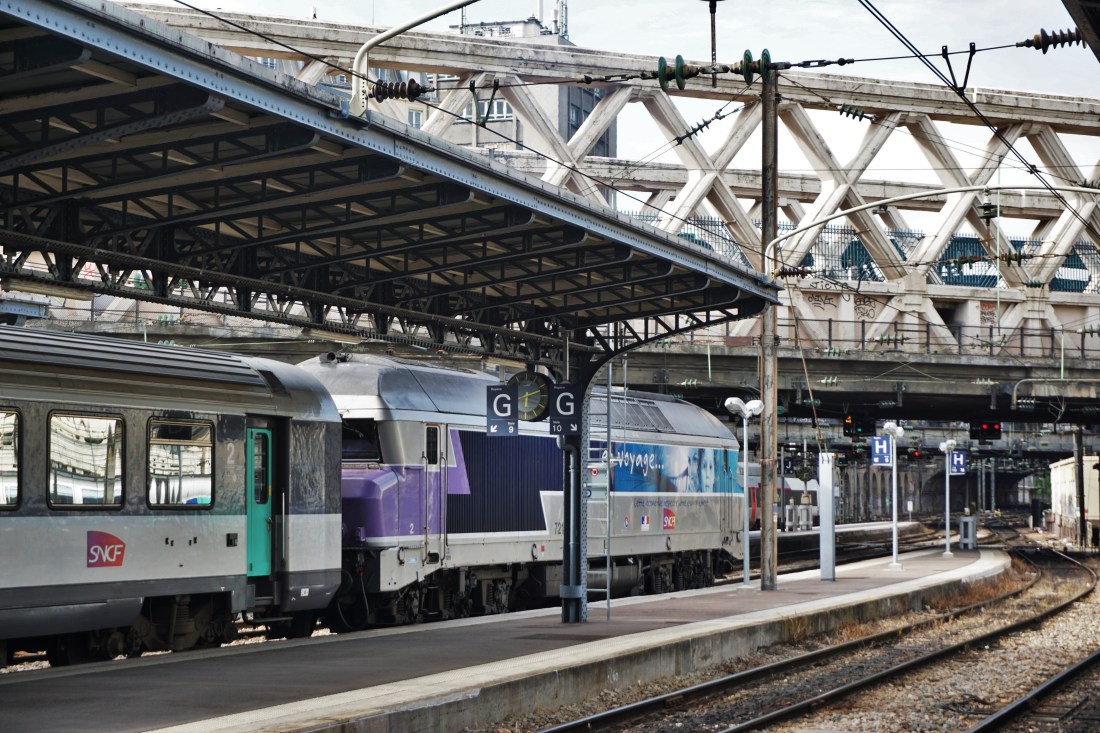
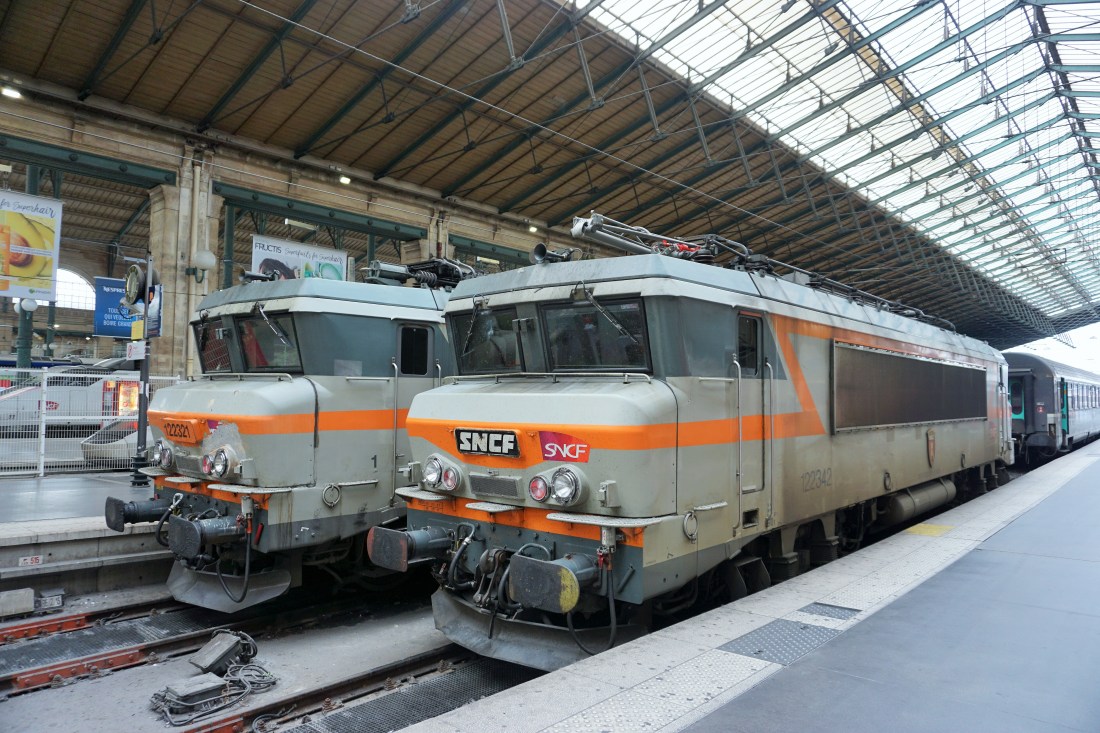
 European Traction